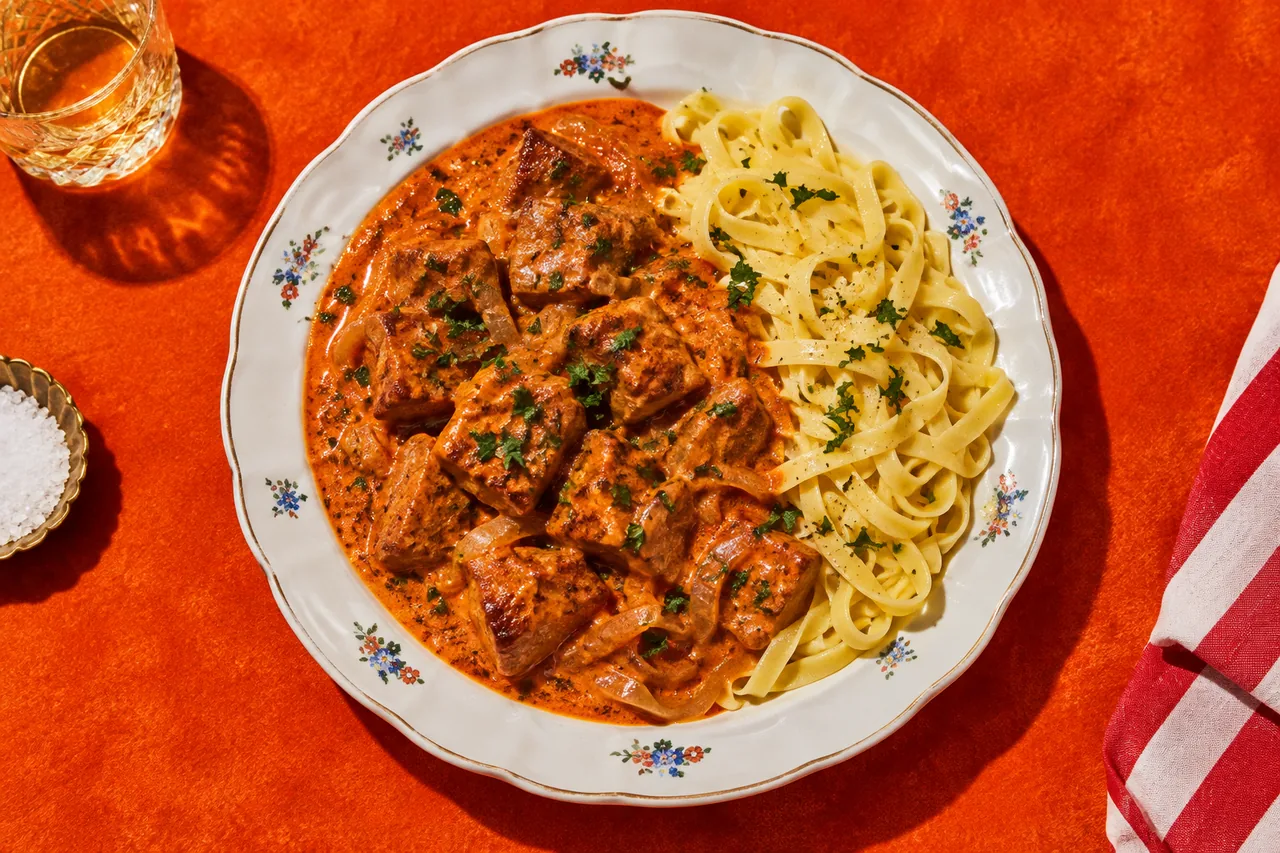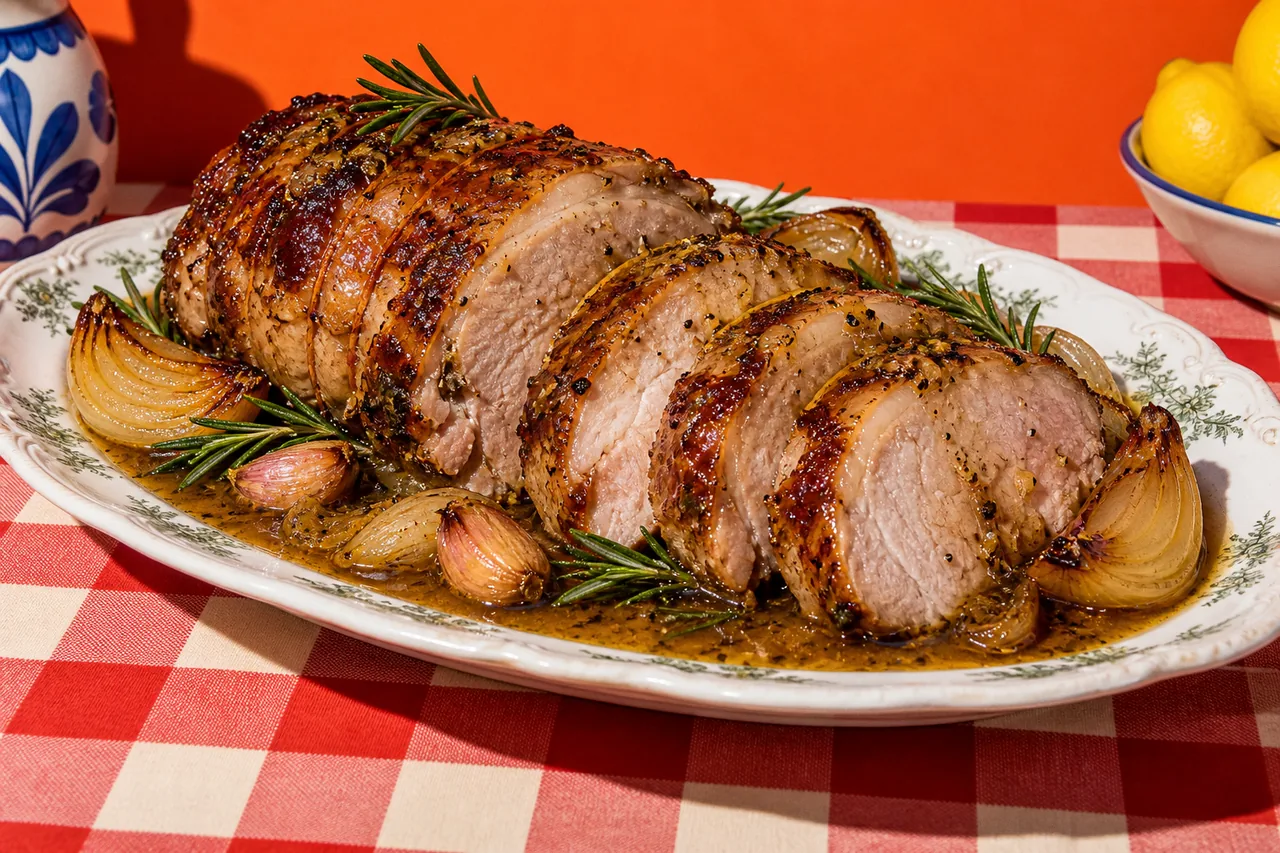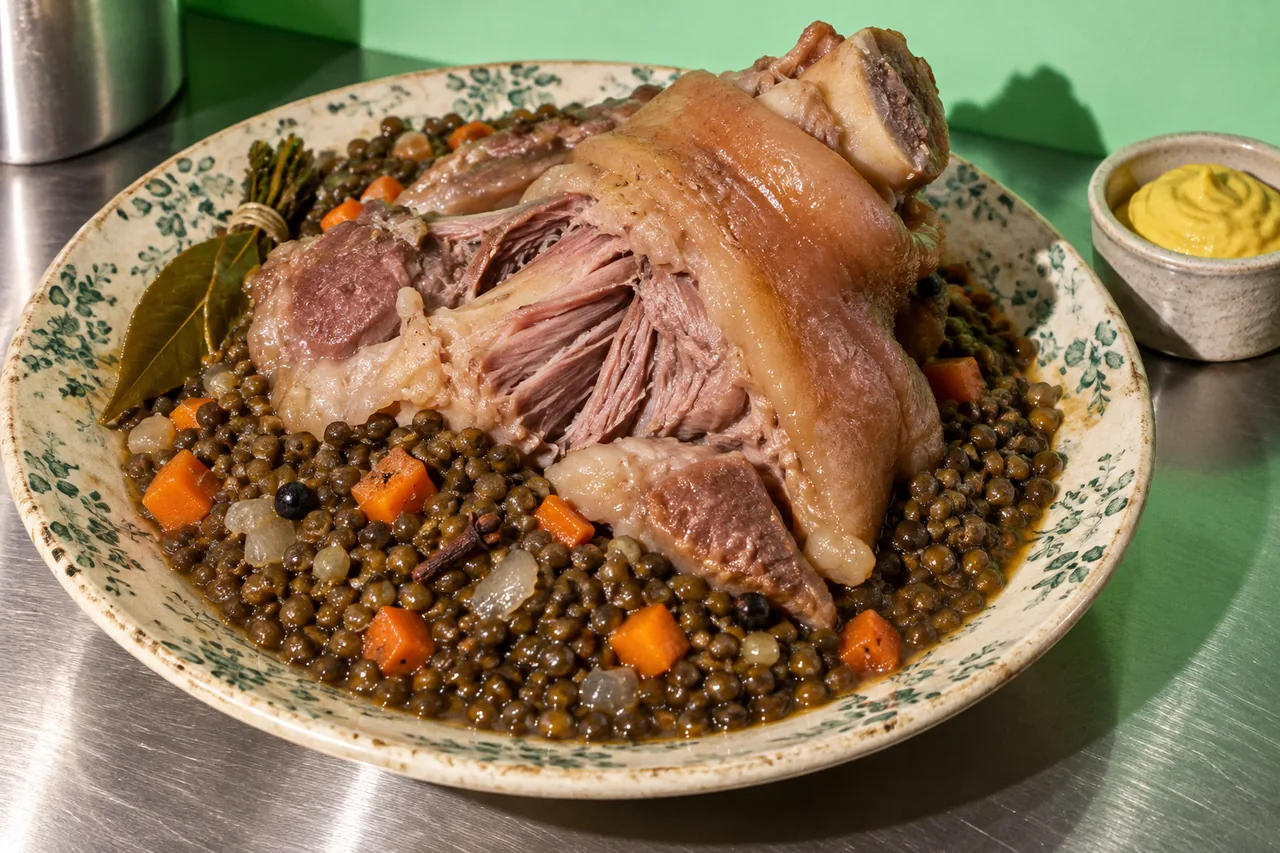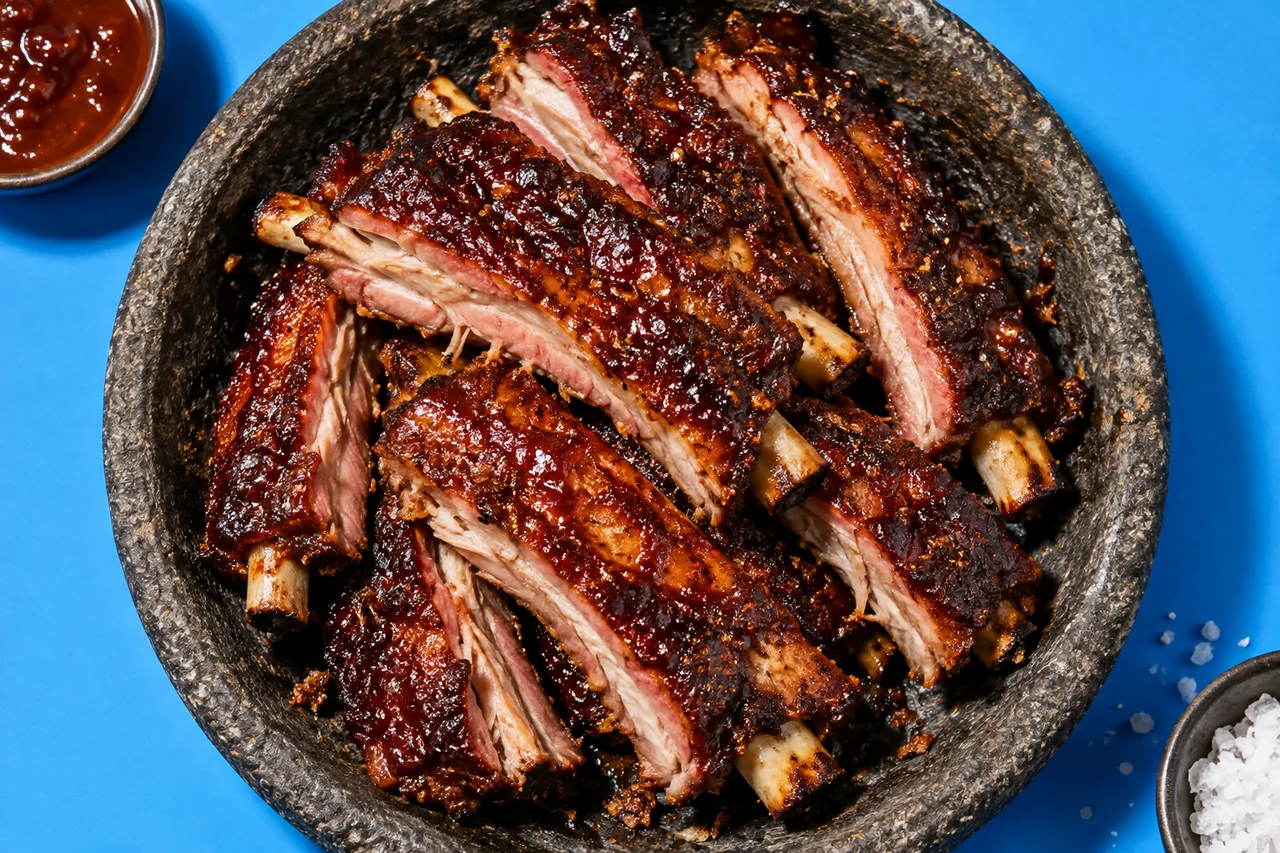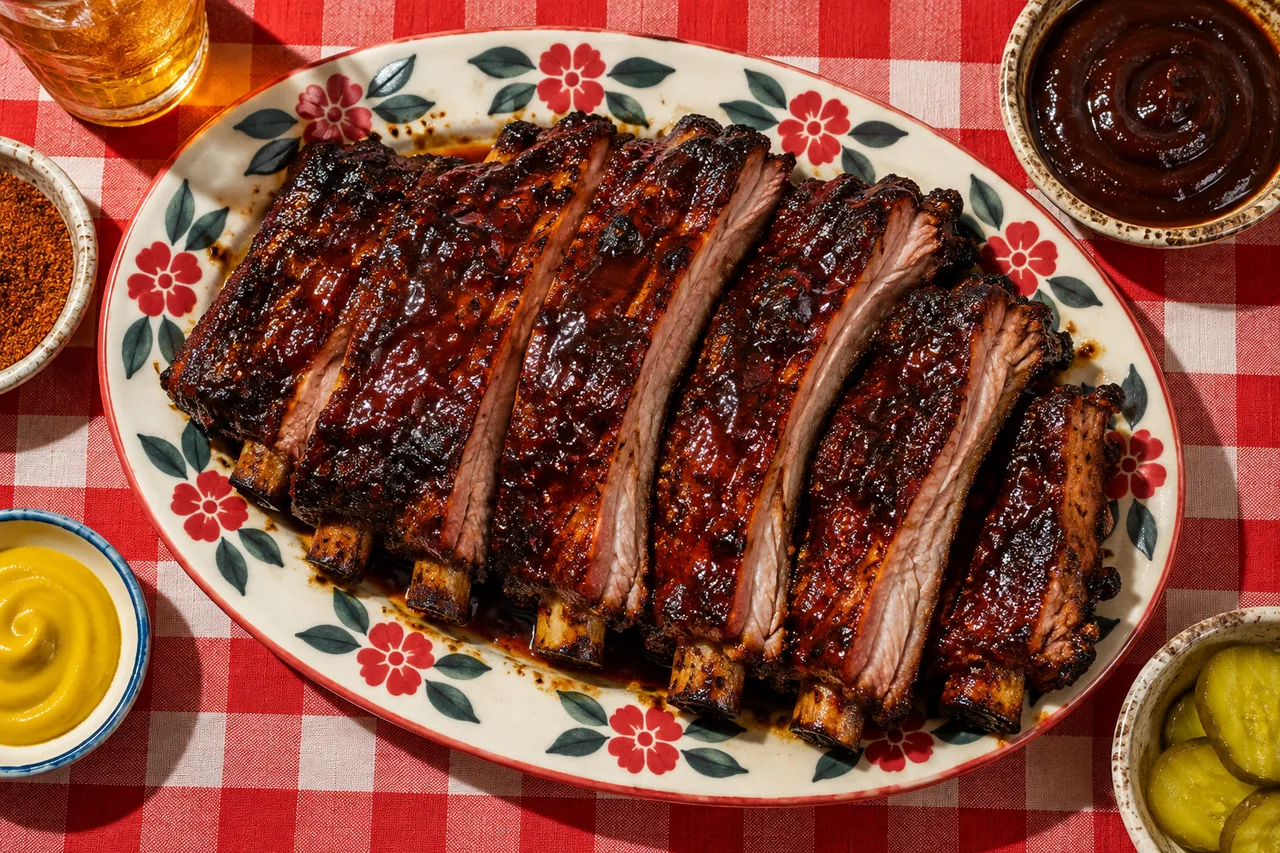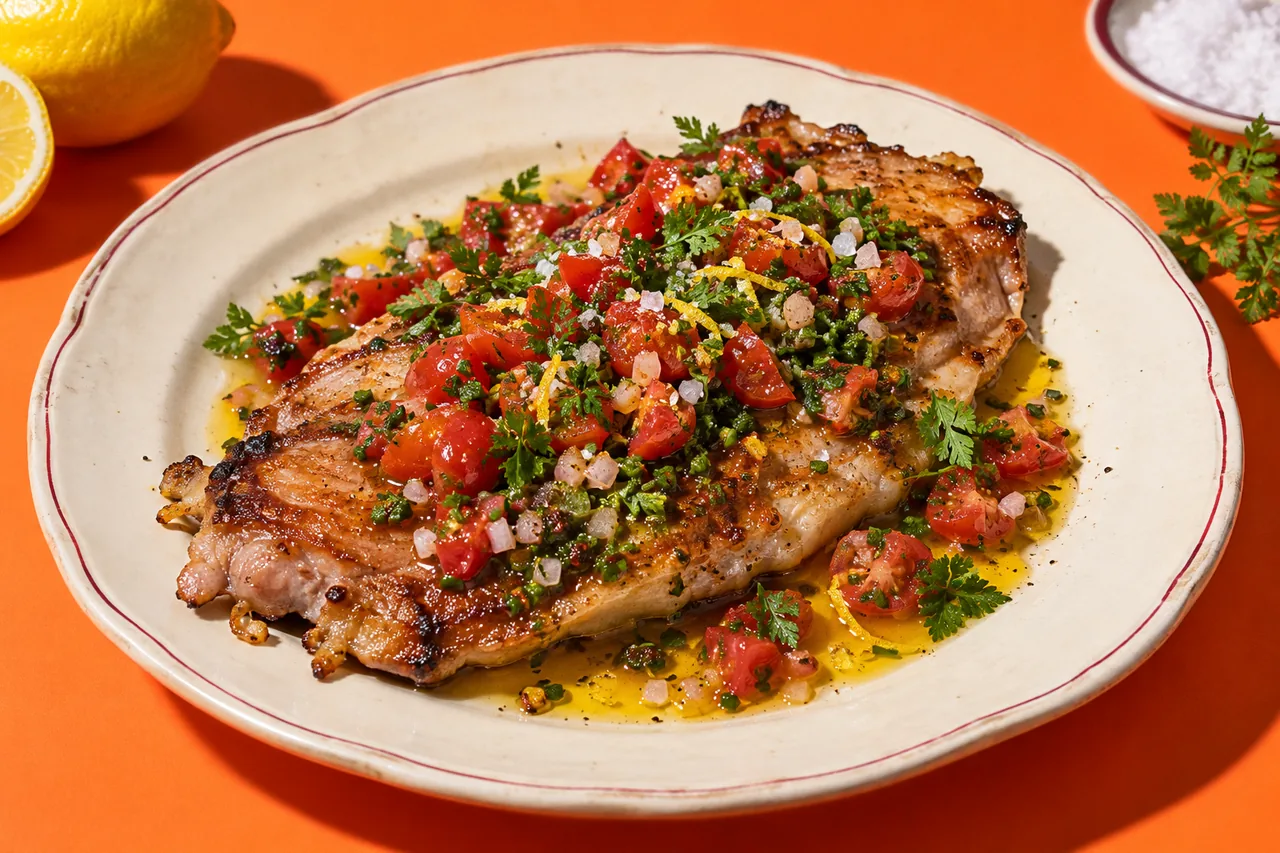
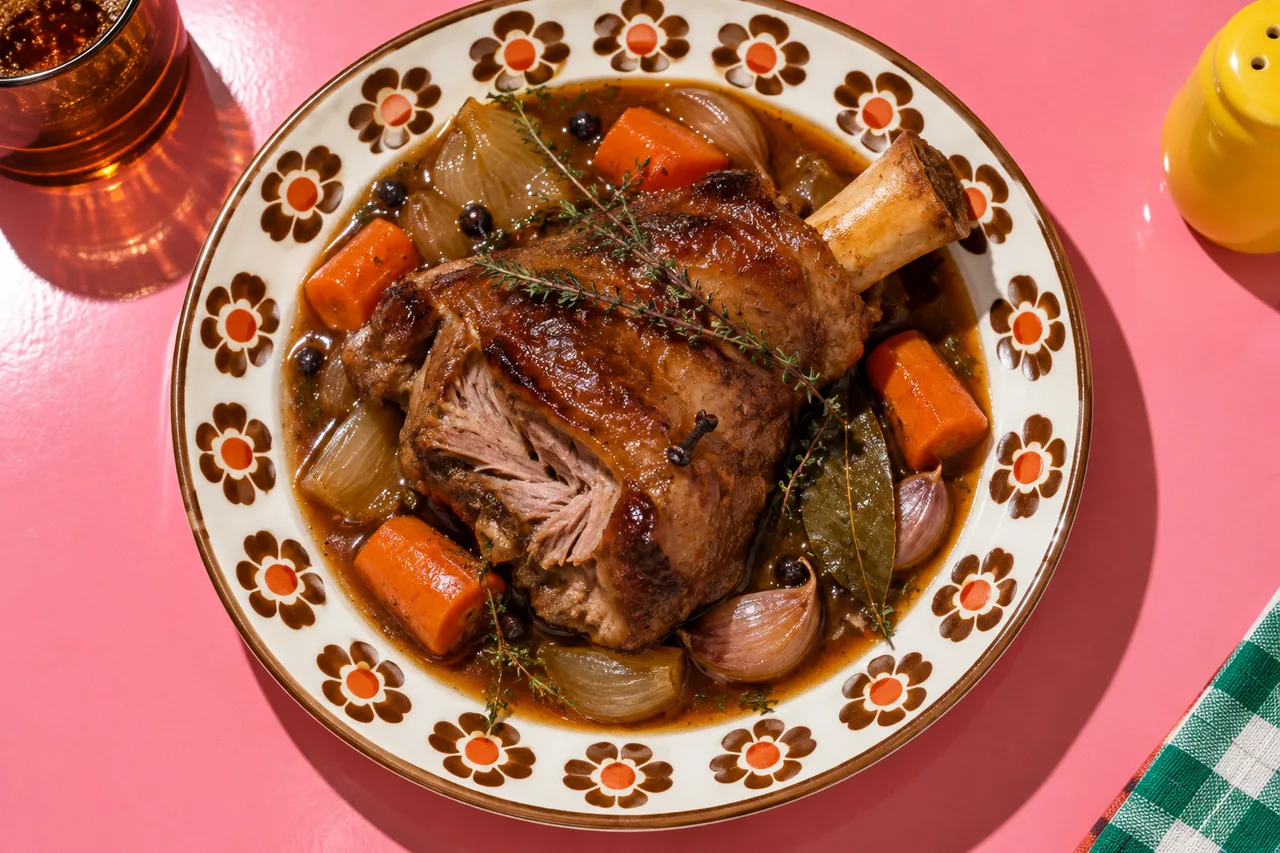
A brasserie classic, simmered patiently until the skin becomes translucent and the meat can be pulled from the bone with a spoon, all under a glossy, glazed amber sauce.
Ingredients
- 1.8 kg fresh pork foreshank
- 50 cl amber bière de garde
- 500 ml chicken broth
- 2 pieces yellow onion
- 4 pieces sand-grown carrot
- 4 cloves purple garlic clove
- 30 g pure pork lard
- 30 g pasteurized unsalted butter, 82% butterfat
- 6 pieces dried juniper berry
- 2 pieces clove
- 3 sprigs fresh thyme
- 2 leaves dried bay leaf
- to taste fine salt
- 1 tsp black peppercorns
Method
- Preheat your oven to 150°C conventional heat to ensure gentle, even cooking.
- Carefully pat the pork shanks dry with paper towels to remove any surface moisture, then lightly score the skin with the tip of a paring knife without cutting into the meat.
- Melt the lard in a large cast-iron Dutch oven over medium-high heat. Add the shanks and brown them on all sides for about ten minutes, until the skin takes on a beautiful mahogany color and crackles nicely.
- Temporarily transfer the shanks to a plate. Lower the heat to medium, then remove the excess fat while keeping the caramelized fond at the bottom of the Dutch oven.
- Add the sliced onions and thick-cut carrots to the Dutch oven. Sweat them, stirring with a wooden spatula for a few minutes, until the onions become translucent and lightly browned.
- Add the lightly crushed unpeeled garlic cloves, crushed juniper berries, cloves, thyme, bay leaf and black peppercorns. Stir for one minute to release the aromas.
- Return the shanks to the Dutch oven, nestling them among the aromatics. Pour in the amber ale, scraping the bottom well with the spatula to deglaze all the caramelized fond.
- Let boil uncovered for a few minutes to evaporate the alcohol and mellow the initial bitterness of the hops.
- Pour in the hot chicken broth so the liquid comes halfway up the shanks, then season with a pinch of fine salt.
- Bring to a simmer, cover the Dutch oven with a tight-fitting lid and bake for two and a half hours. Flip the shanks halfway through cooking and baste them generously with the braising liquid.
- Check for doneness: a knife blade should slide into the meat without any resistance and the meat should begin to pull away naturally from the bone.
- Remove the Dutch oven from the oven, take out the shanks and keep them warm under a sheet of aluminum foil.
- Strain the cooking liquid through a fine-mesh strainer, pressing on the vegetables to extract their aromatic essence, then return the strained liquid to a saucepan over high heat.
- Boil rapidly to reduce the liquid for about ten minutes until it coats the back of a spoon and takes on a syrupy texture.
- Lower the heat to minimum, add the very cold diced butter and whisk vigorously to emulsify the sauce, giving it a mirror-like shine and a rounded texture.
- Return the shanks to the simmering sauce and baste them heavily with a spoon to glaze them well before serving immediately.
Nutrition
Per serving
- Energy
- 923.1 kcal
- Protein
- 60.32 g
- Carbohydrate
- 19.83 g
- Fat
- 61.51 g
- Fibre
- 10.23 g
- Calcium
- 173.44 mg
- Iron
- 3.51 mg
- Magnesium
- 71.07 mg