
In Ireland this month, someone will bite into a slice of barmbrack and find a ring wrapped in paper. In Mexico, bakeries have been selling pan de muerto since early October and will keep going until mid-November. In most American homes, the night is about candy. I have nothing against candy, but the food that came before it is much better, and almost all of it is still made at home.
Mexico: pan de muerto and calabaza en tacha for Día de Muertos
Día de Muertos is not Mexican Halloween, even if the two now share the same week. At the end of October and the start of November, families welcome back their dead, and the altar, the ofrenda, gets the dishes the person loved. UNESCO added the festivity to its intangible heritage list in 2008.
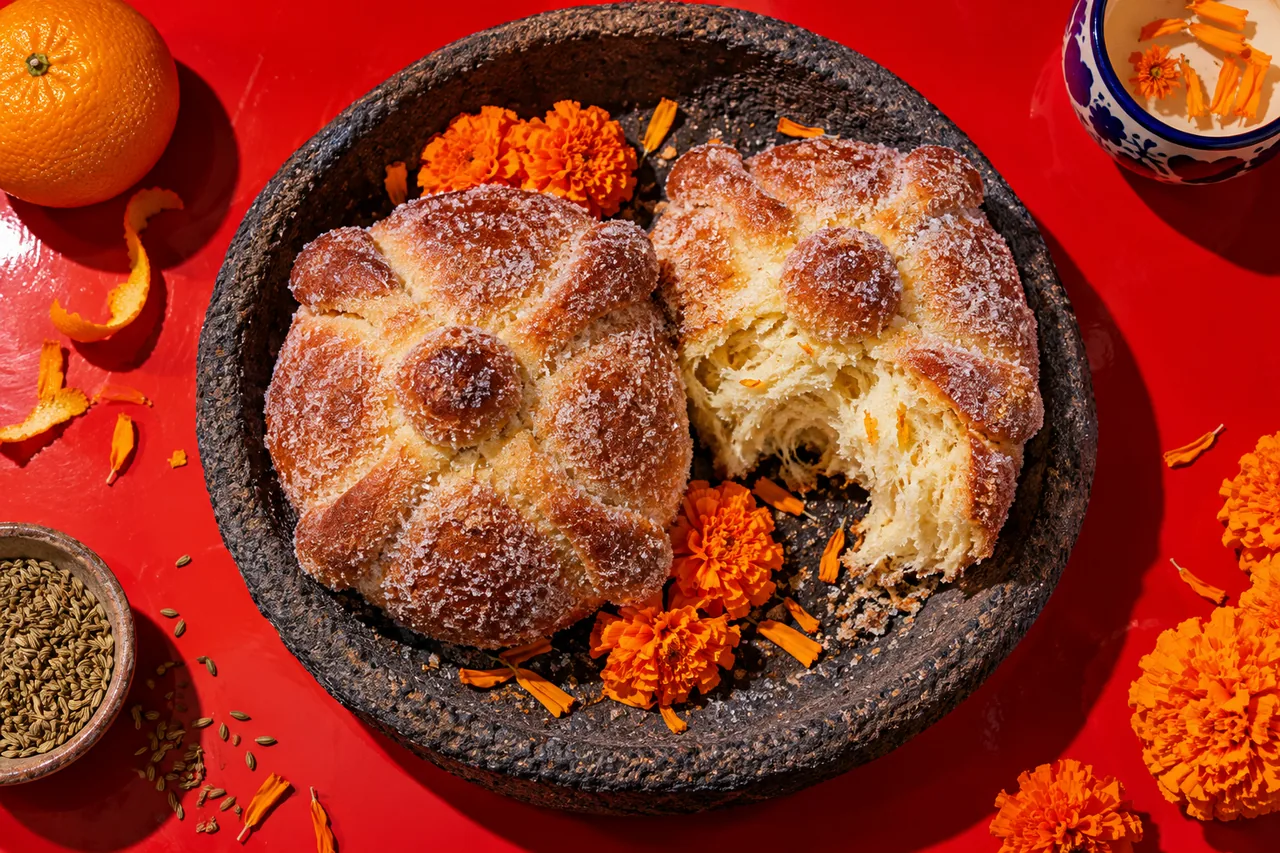
Pan de muerto sits on almost every one of those altars. Ours is a soft enriched dough with orange blossom, orange zest and anise, topped with crossed dough bones, brushed with butter and rolled in sugar. According to Mexico's foreign ministry, historians trace it back to pre-Hispanic times, but the wheat and sugar version we know dates from the colonial era. If you bake only one thing from this list, make it this one. It takes an afternoon, and the kitchen smells of orange blossom while it bakes.
The other one is calabaza en tacha: big pieces of pumpkin, skin on, slowly candied in piloncillo syrup with cinnamon, cloves and orange until they turn glossy. A UNAM nutrition sheet says the name likely comes from the tachos, the large pots it was cooked in. It's served with a glass of cold milk, and honestly that's the best part.
Pan de muerto (Mexican bread of the dead)See the recipe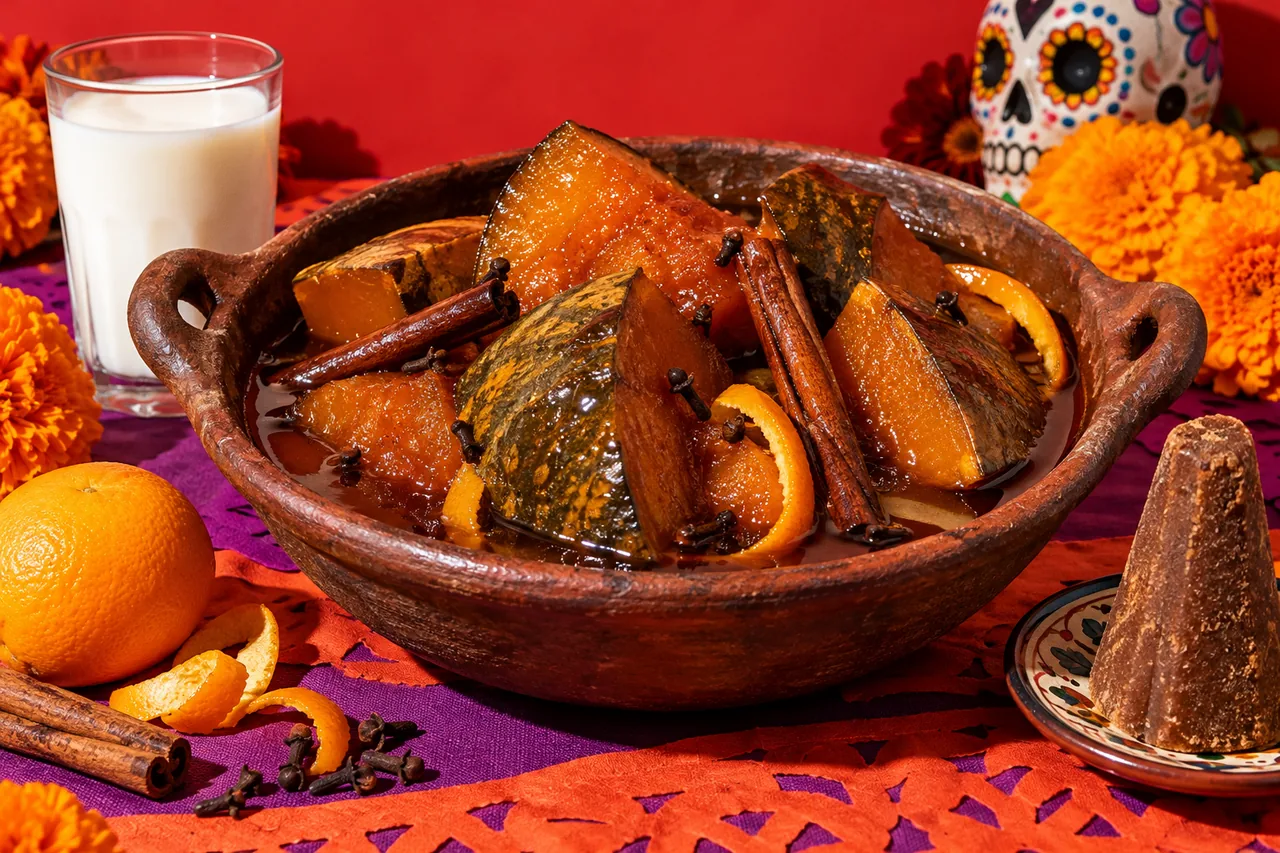 Calabaza en tacha (Mexican candied pumpkin)See the recipe
Ireland: colcannon and barmbrack, with something hidden inside
Halloween itself comes from Samhain, the Celtic festival that marked the end of the harvest and the start of winter. Ireland also gave us the jack-o'-lantern, except the Irish carved turnips. The pumpkin came later, in America.
At the table, it's a game of chance. Colcannon is mashed potatoes with kale or cabbage and a lot of butter, and on Halloween people mixed charms into it: a ring meant a wedding, a coin meant money, a button or a thimble meant another year single. Barmbrack, bairín breac in Irish, is a spiced loaf with raisins and candied orange peel soaked in black tea. Clodagh Doyle of the National Museum of Ireland says the ring inside predicts a marriage within the year. In Ireland, the barmbracks sold in shops at Halloween still come with a ring.
If you make it at home, wrap the ring in parchment paper and warn everyone before the first bite. That warning is the only modern part of the tradition, and I'd keep it.
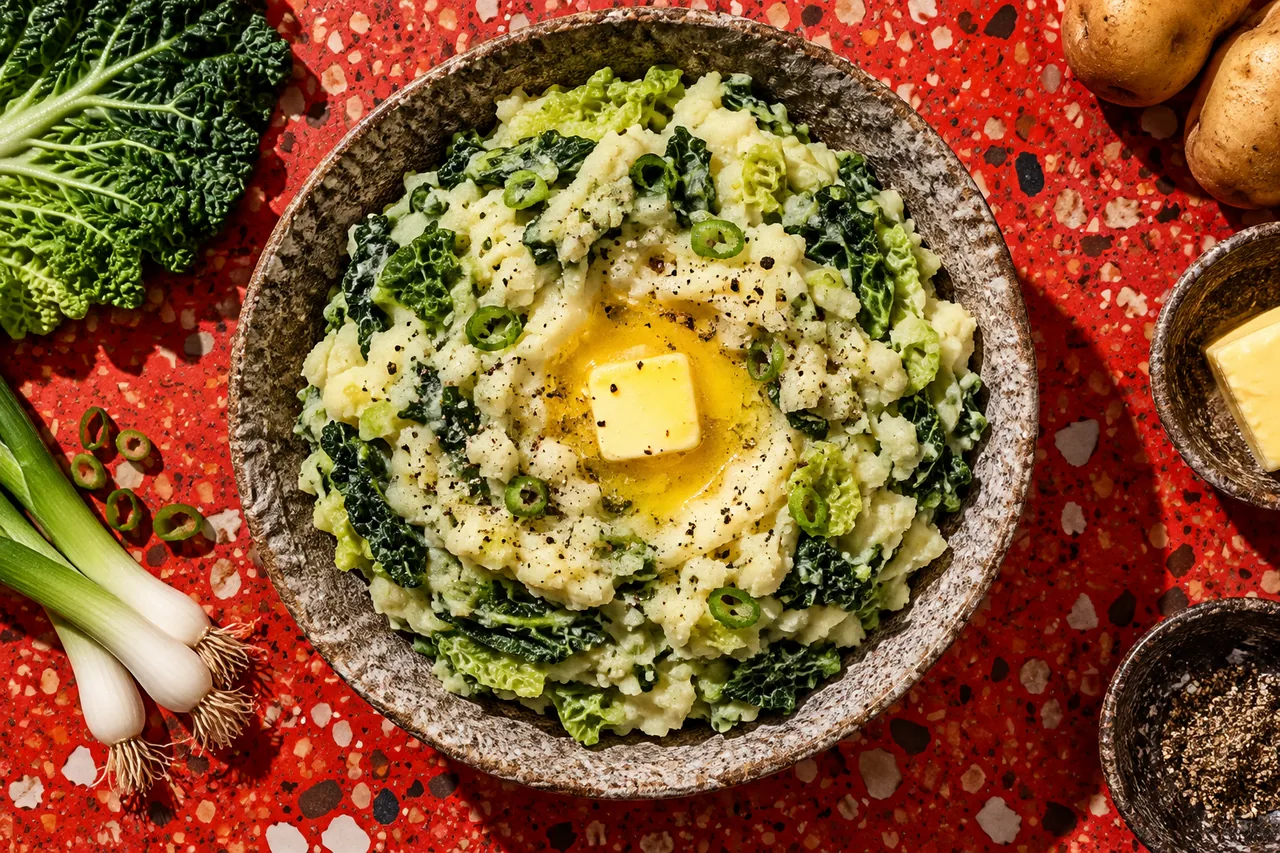 Colcannon (Irish mashed potatoes with cabbage and butter)See the recipe
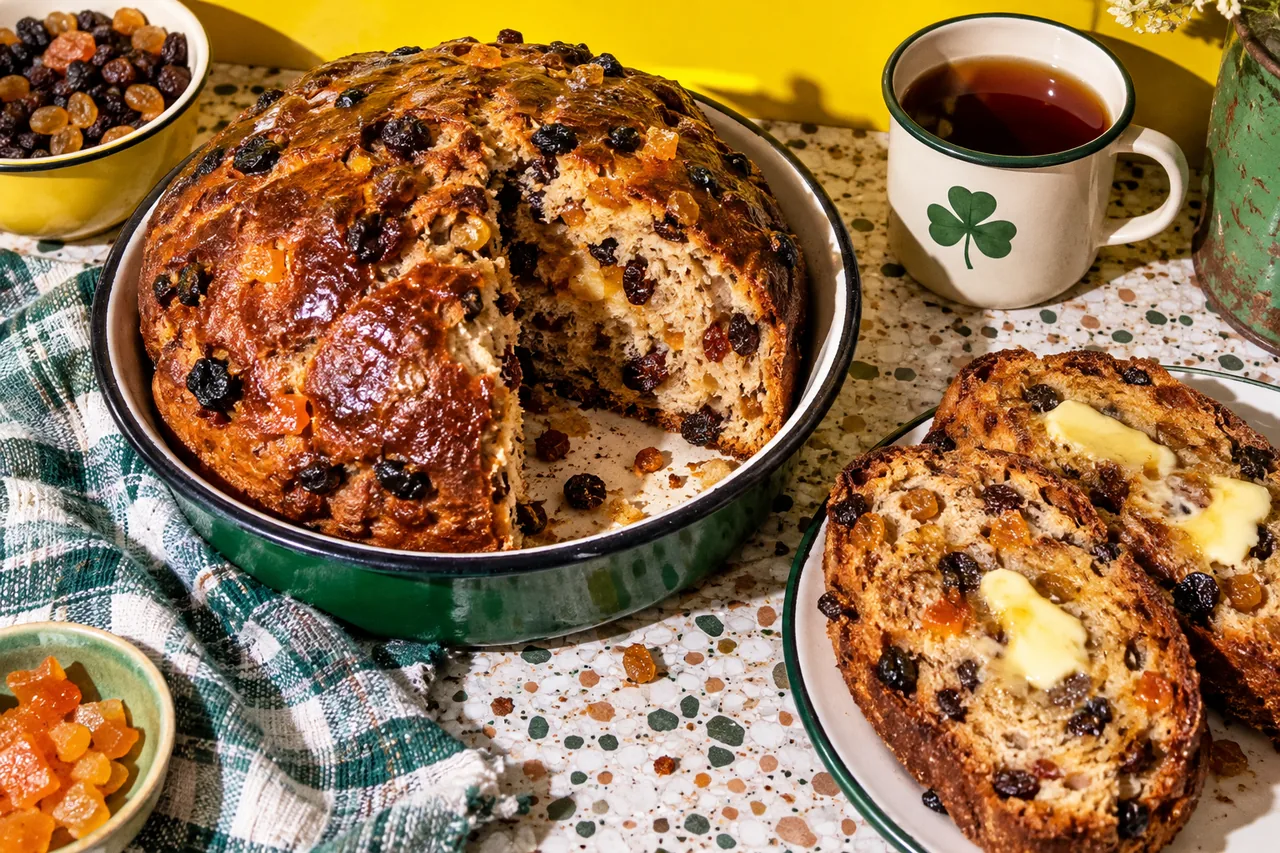 Barmbrack (Irish Halloween fruit bread)See the recipe
England: soul cakes, the treat before trick-or-treat
Before kids asked for candy, they asked for soul cakes. Small round spiced cakes, marked with a cross, given to the poor who went door to door around All Saints' and All Souls' Day, in exchange for a prayer for the household's dead. English Heritage historian Michael Carter cites a text from 1511 about people baking bread on Halloween to hand out for all Christian souls, and notes that groups of children were still going souling in the 20th century. Ours is a buttery shortbread dough with cinnamon, nutmeg, saffron and currants, cross on top.
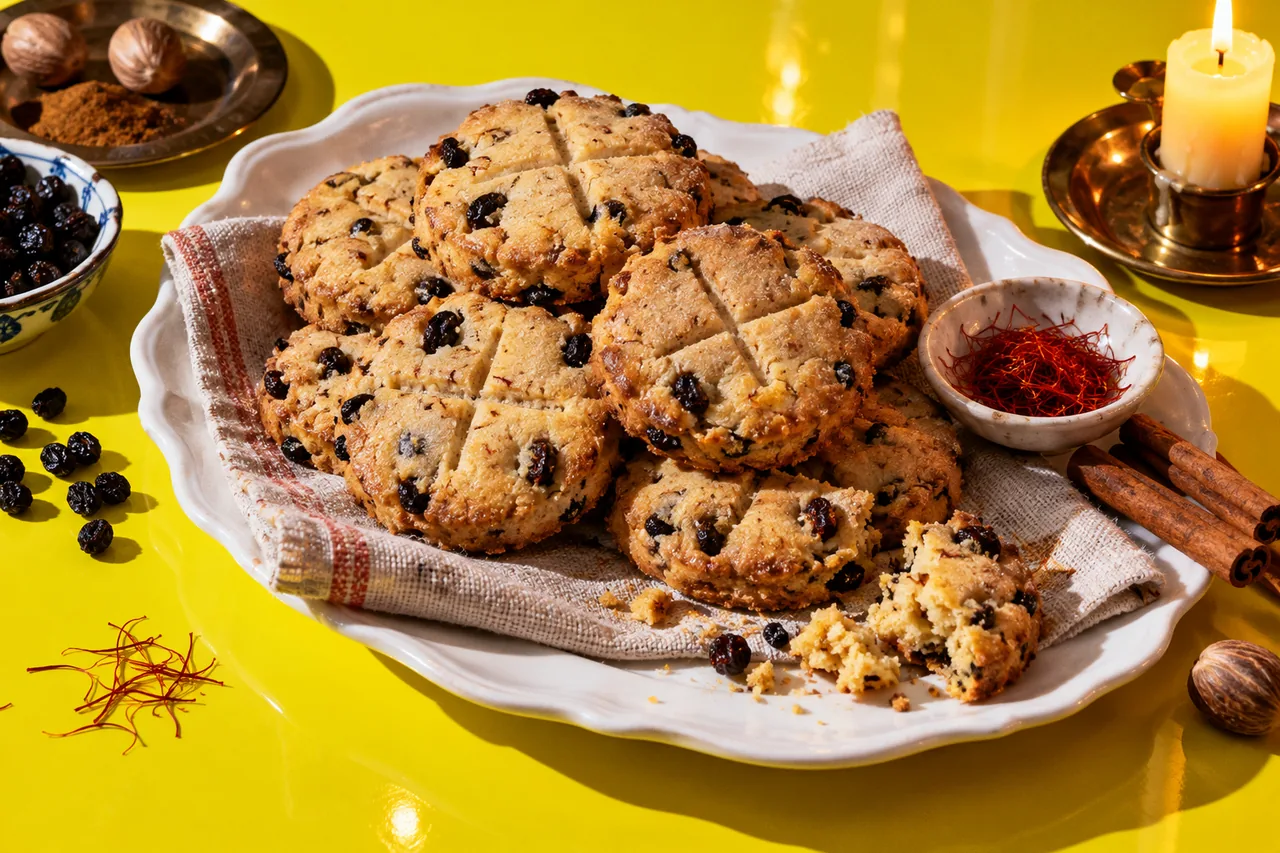 Soul cakes (traditional English All Saints' Day biscuits)See the recipe
United States: caramel apples, pumpkin pie and food that looks scary
The pumpkin crossed the Atlantic with Irish immigrants, who found it much easier to carve than a turnip. Nathaniel Hawthorne was already writing about a jack-o'-lantern in 1835, and historian Cindy Ott dates the first likely picture of a pumpkin jack-o'-lantern to an 1867 issue of Harper's Weekly. After that, the pumpkin went into everything: pumpkin pie, pumpkin bread, pumpkin spice.
The American Halloween table is party food, and I'm fine with that. Apples dipped in homemade butter caramel and rolled in peanuts. Hot dogs wrapped in strips of puff pastry like mummies, with two dots of mustard for eyes. Deviled eggs with black olive spiders. And squid ink pasta, which has nothing to do with Halloween, it's a Venetian classic, but it's the only black dish on this list that owes nothing to food coloring.
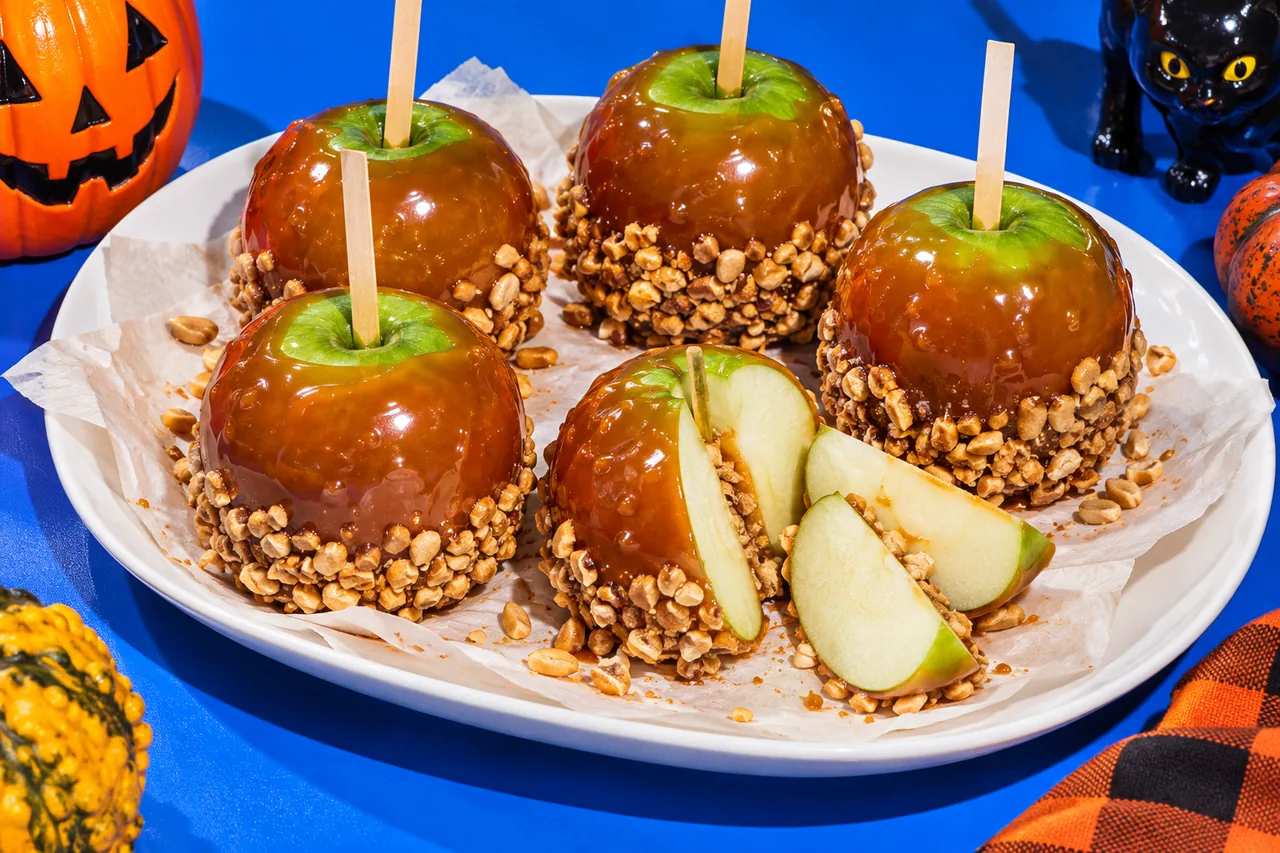 Caramel applesSee the recipe
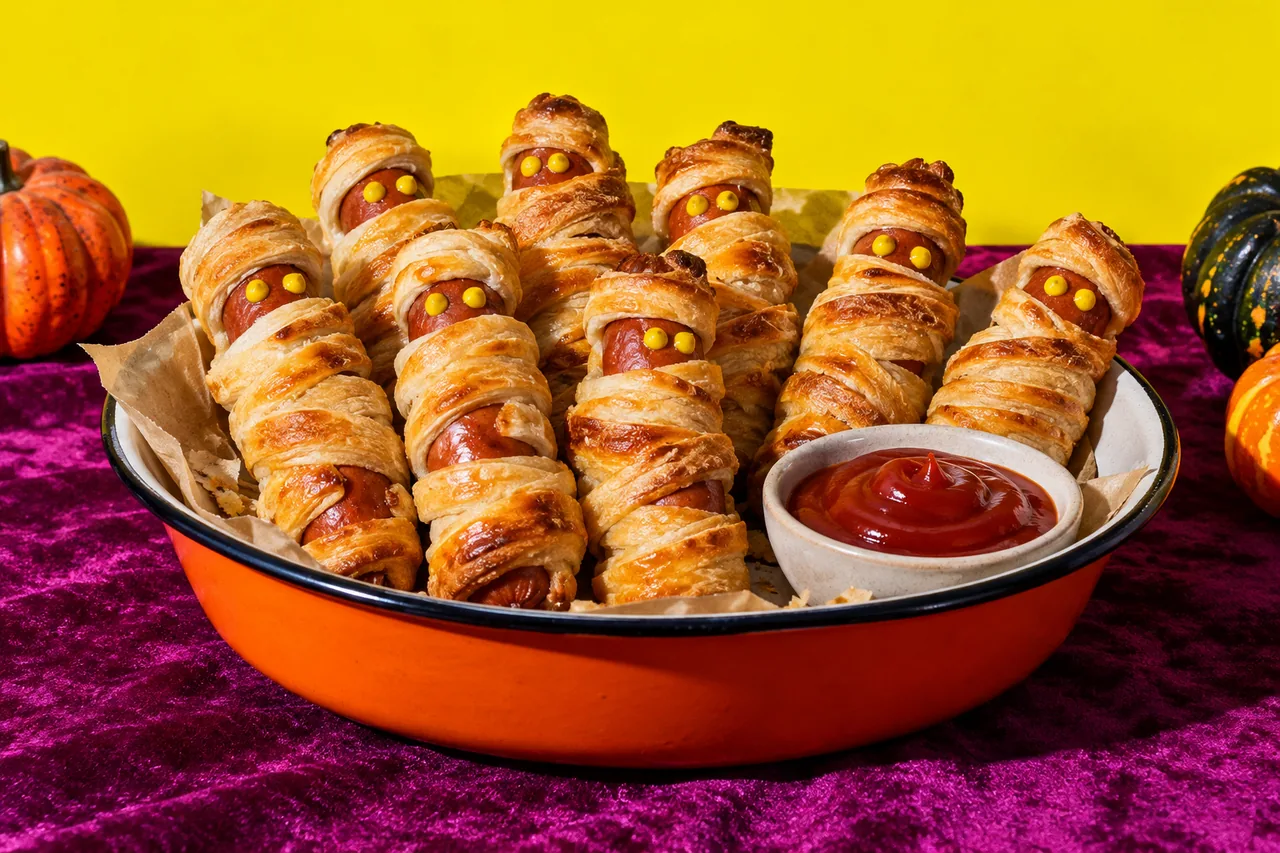 Mummy hot dogsSee the recipe
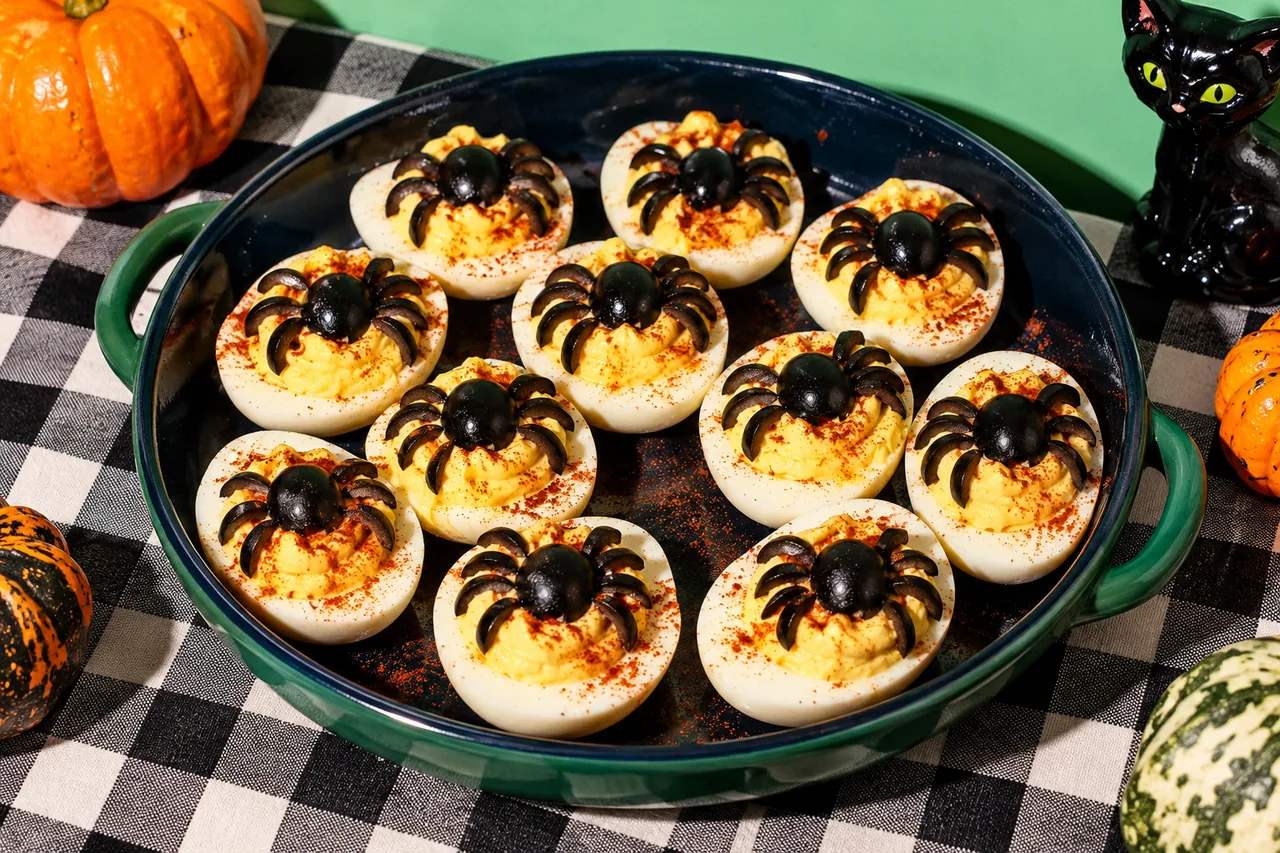 Halloween deviled eggs (spider deviled eggs)See the recipe
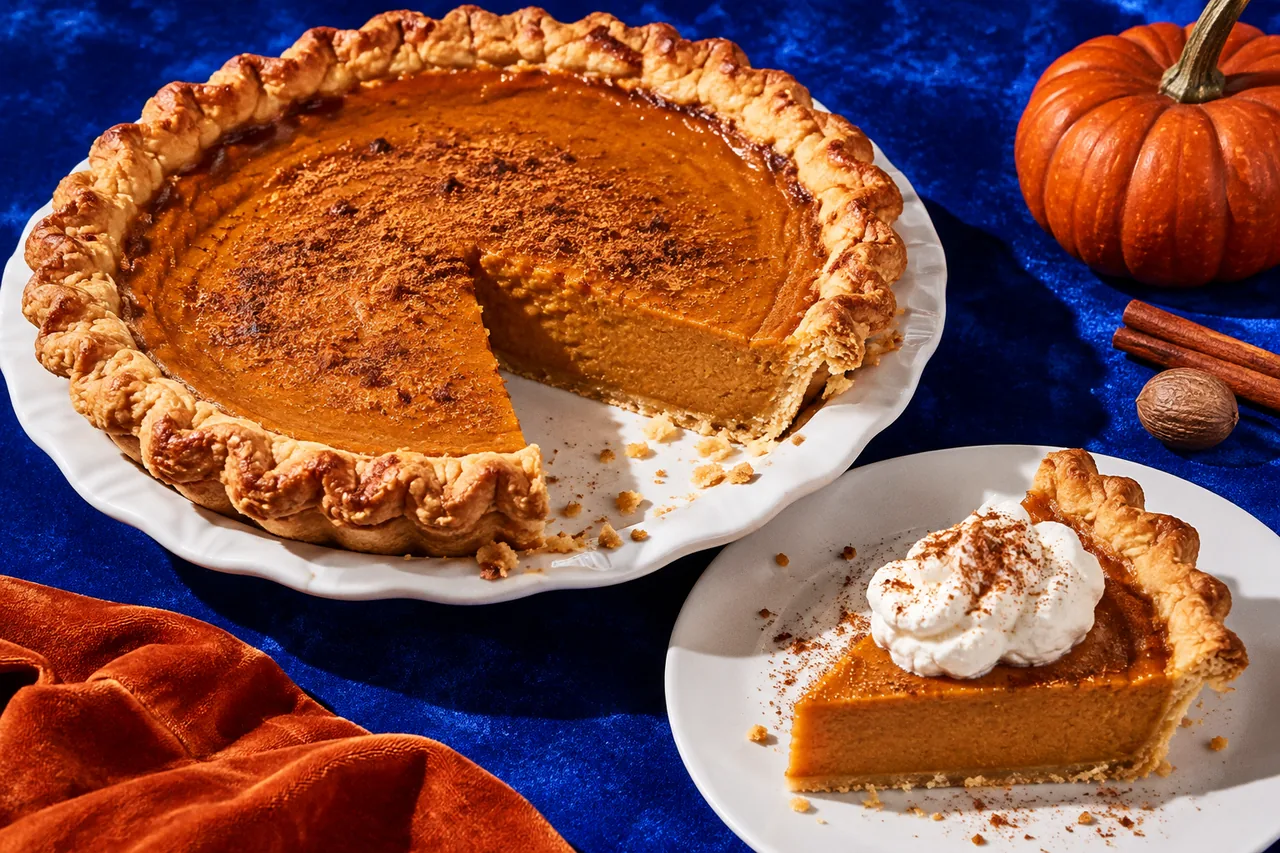 Pumpkin pie (spiced pumpkin pie)See the recipe
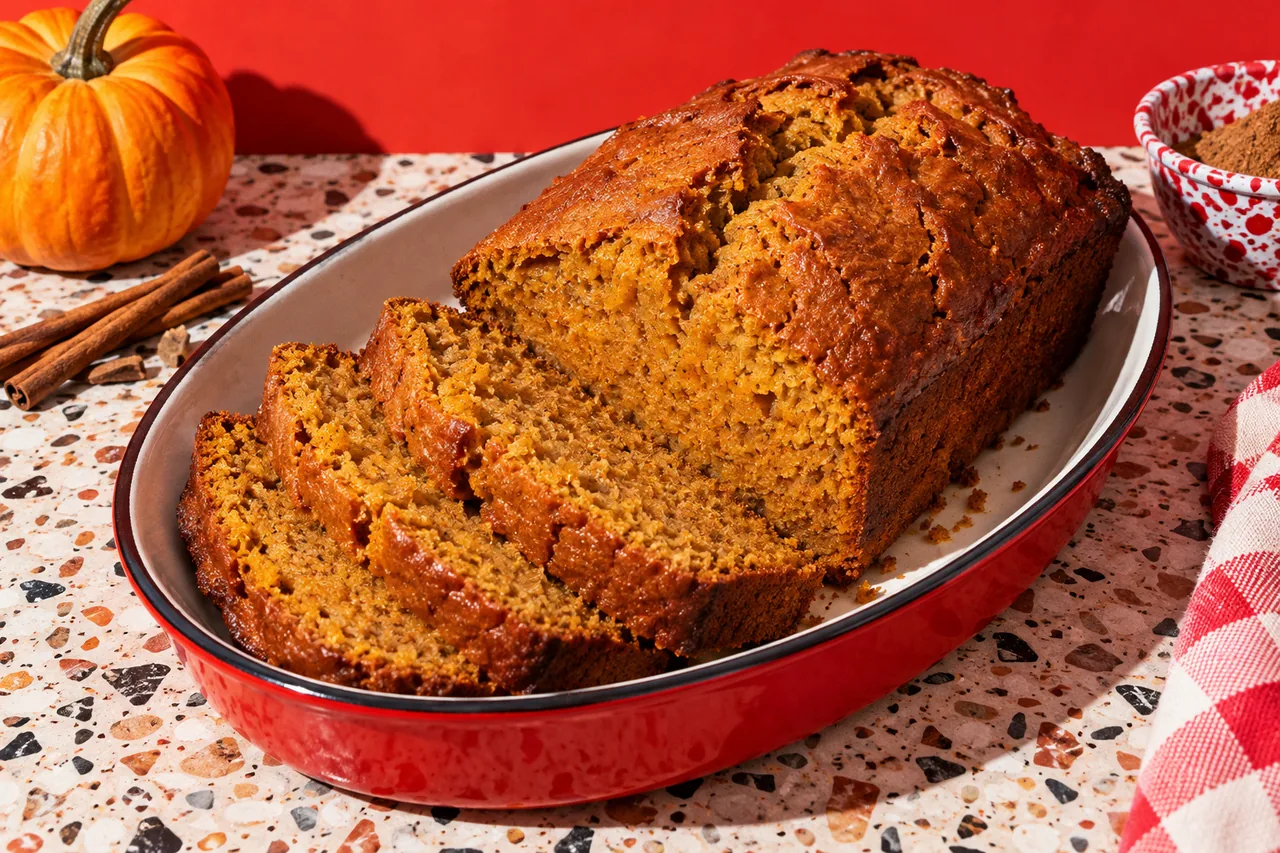 Pumpkin breadSee the recipe
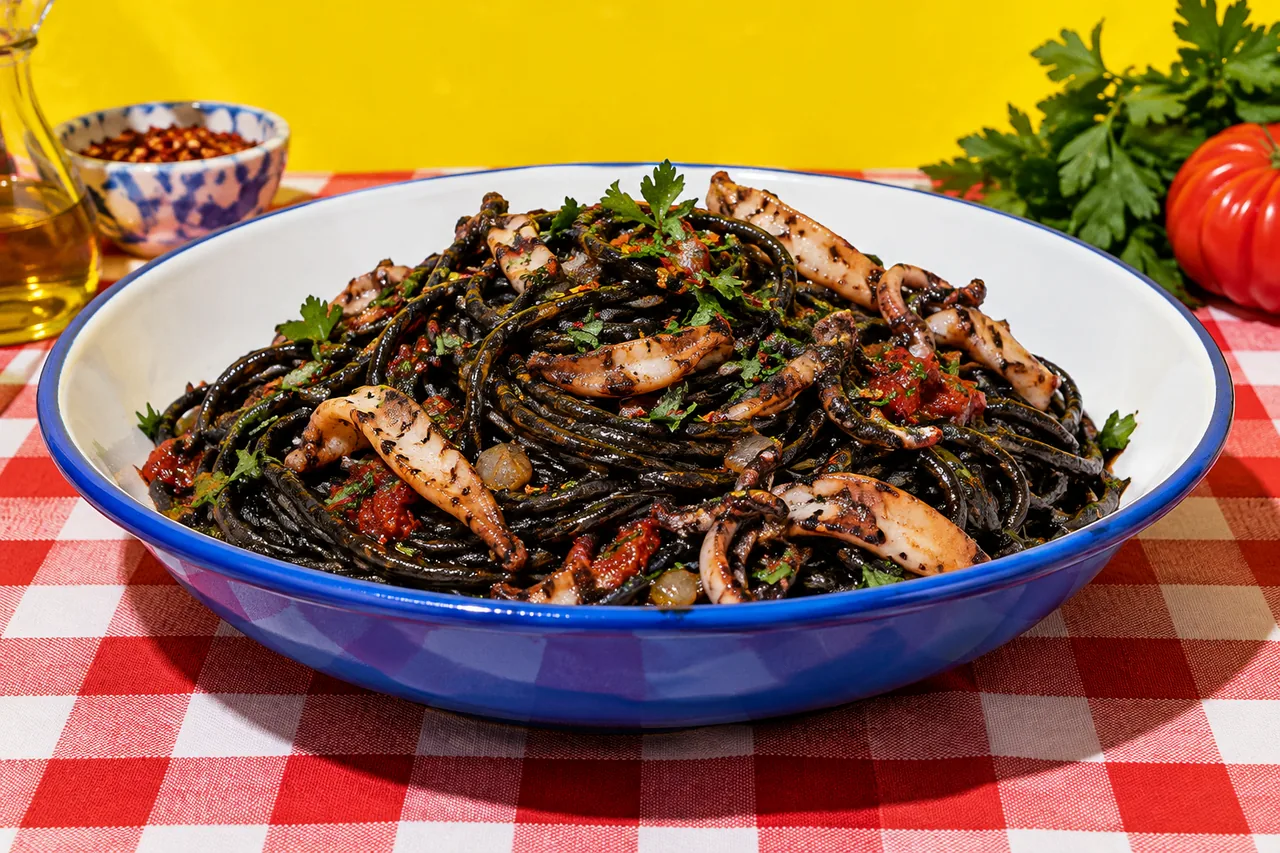 Squid ink pastaSee the recipe
What to do with pumpkin guts
Carve a pumpkin and you're left with a bowl of stringy pulp and seeds. Don't throw any of it out. Pull the seeds from the strings, blanch them in salted water, dry them, then roast them until they crunch. You eat them shell and all.
The pulp and strings can go into a stock. For soup, though, use the flesh of a small sugar pumpkin or a butternut. Carving pumpkins are grown for size, and their flesh is watery and bland. Make the soup with the good squash and keep the jack-o'-lantern for the porch.
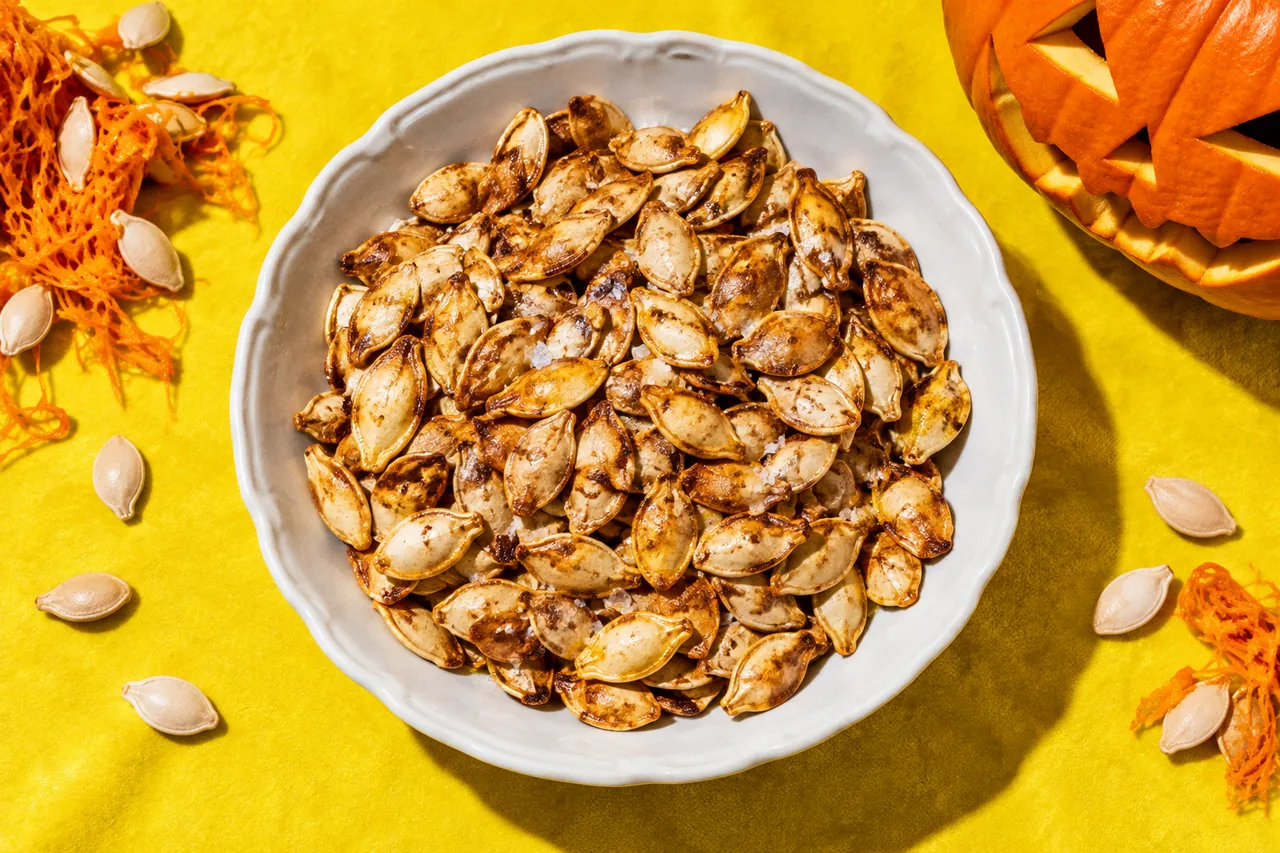 Roasted pumpkin seedsSee the recipe
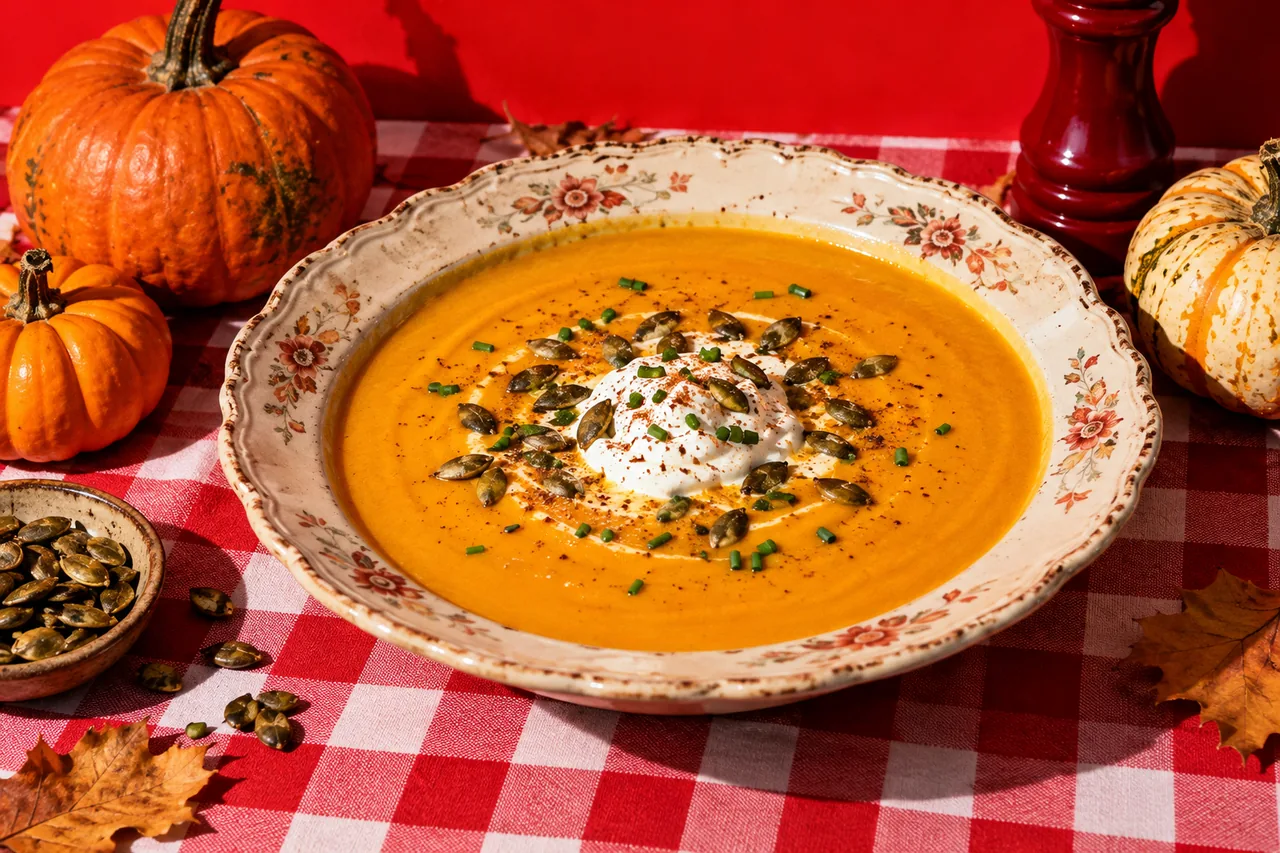 Pumpkin soup (creamy pumpkin soup)See the recipe
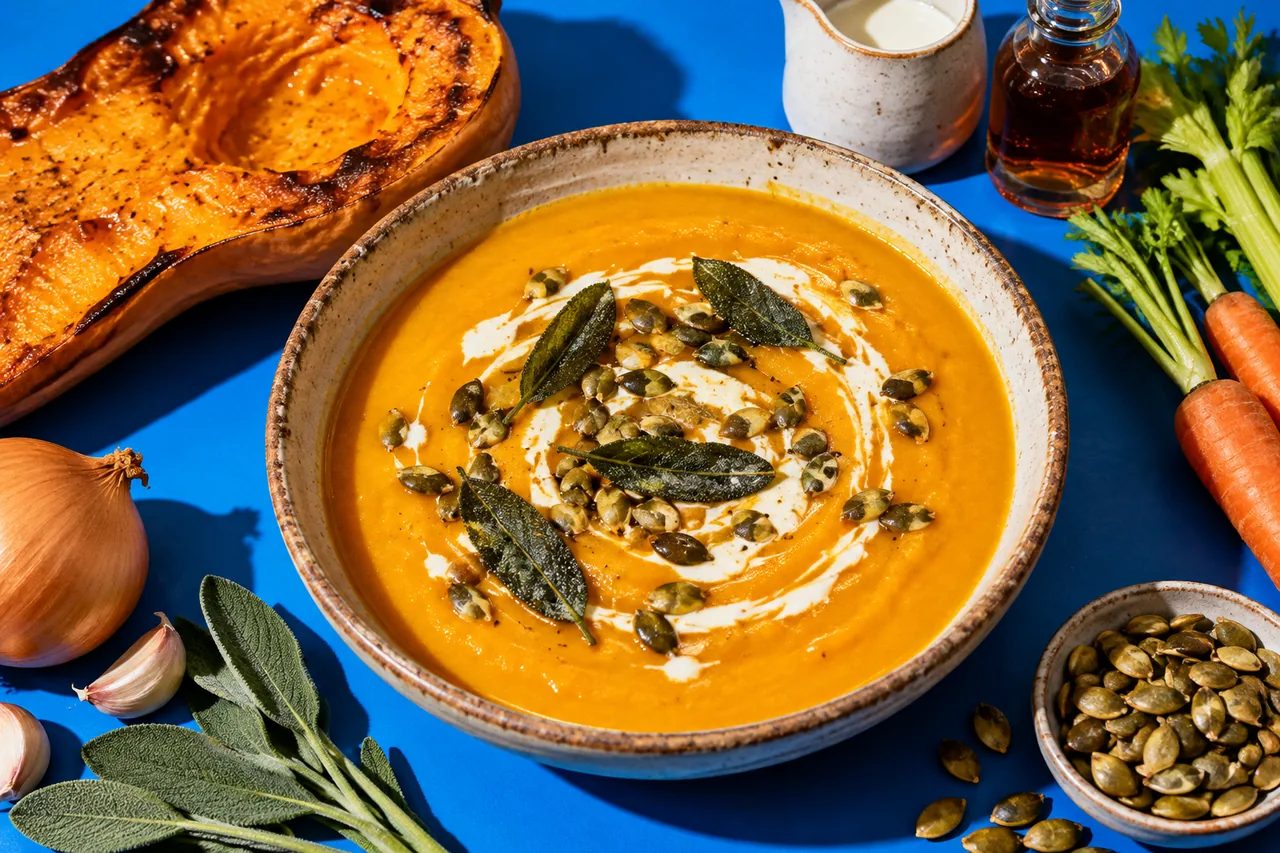 Butternut squash soup (roasted butternut velouté)See the recipe
Where pumpkin season has nothing to do with Halloween
None of these are Halloween dishes, and I won't pretend they are. They're here because if you bought one pumpkin too many, the rest of the world already knows what to do with it.
In Armenia, ghapama is a whole pumpkin stuffed with buttered rice, honey, dried fruit and nuts, served between New Year and Armenian Christmas on January 6, and it even has its own song. In Japan, the Ministry of Agriculture explains that people eat kabocha at the winter solstice to get through the winter in good health. In Korea, jeon, pan-fried savory pancakes, are part of the Chuseok table, and hobak jeon is the squash version. In India, kaddu simply means pumpkin, and the north Indian curry made with it is sweet and sour with some heat, served with puris.
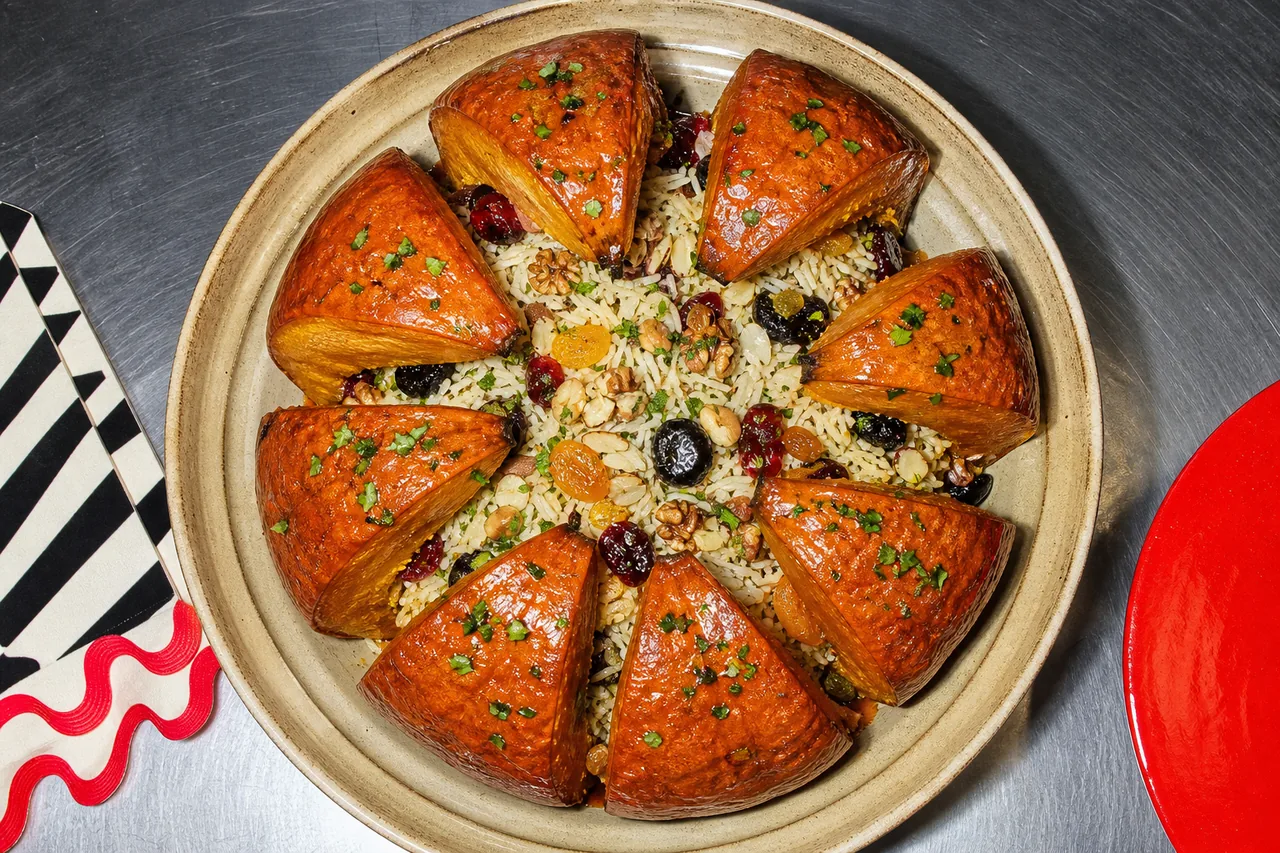 Ghapama (Armenian Stuffed Pumpkin)See the recipe
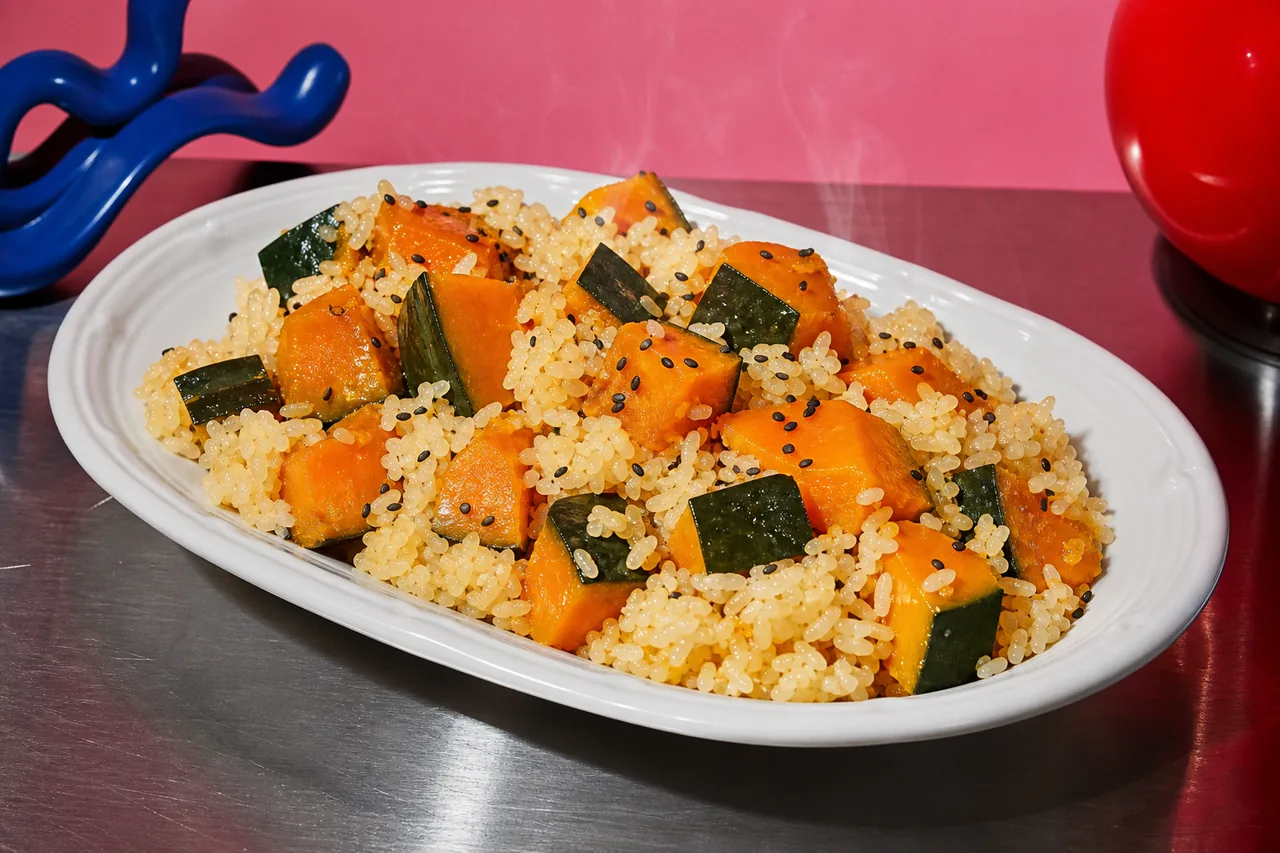 Kabocha rice (Japanese pumpkin rice)See the recipe
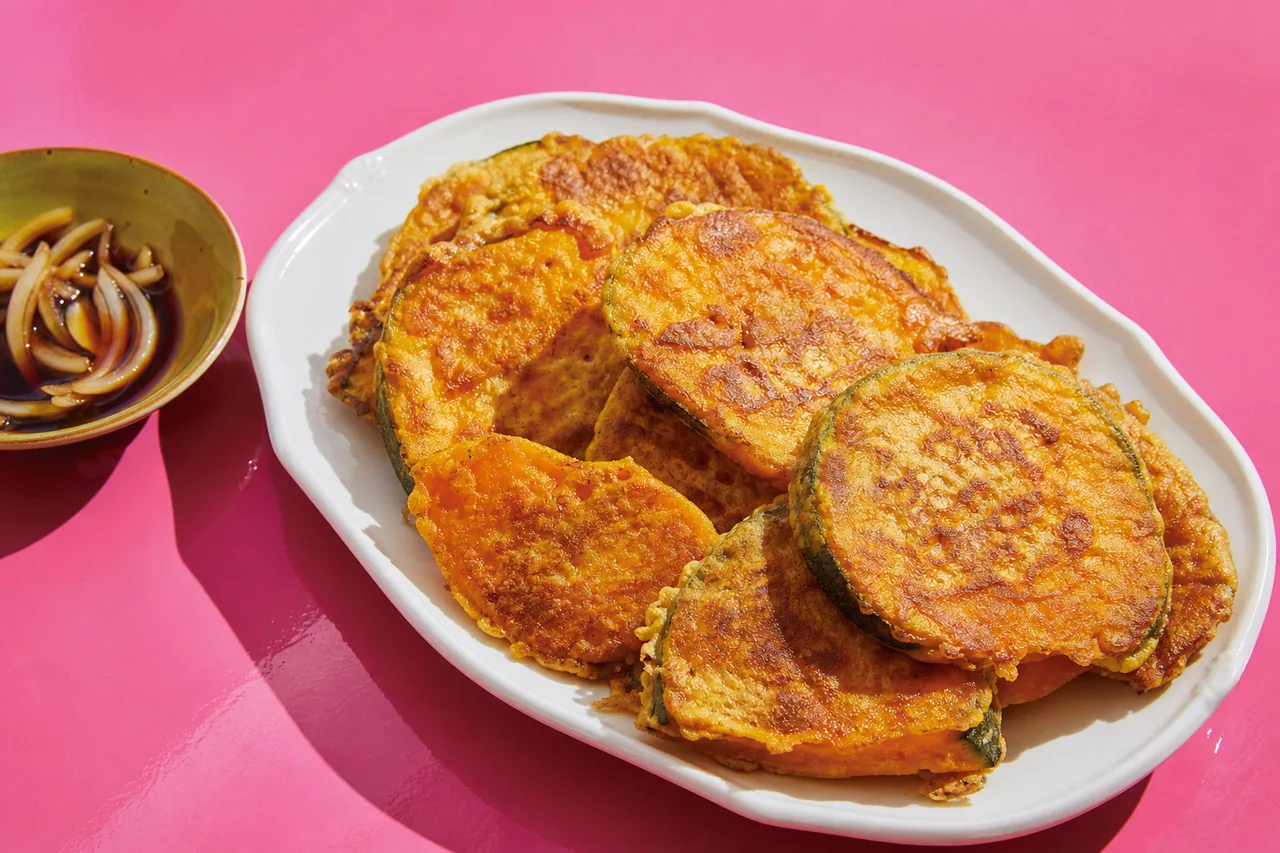 Korean Squash Pancakes (Hobak Jeon)See the recipe
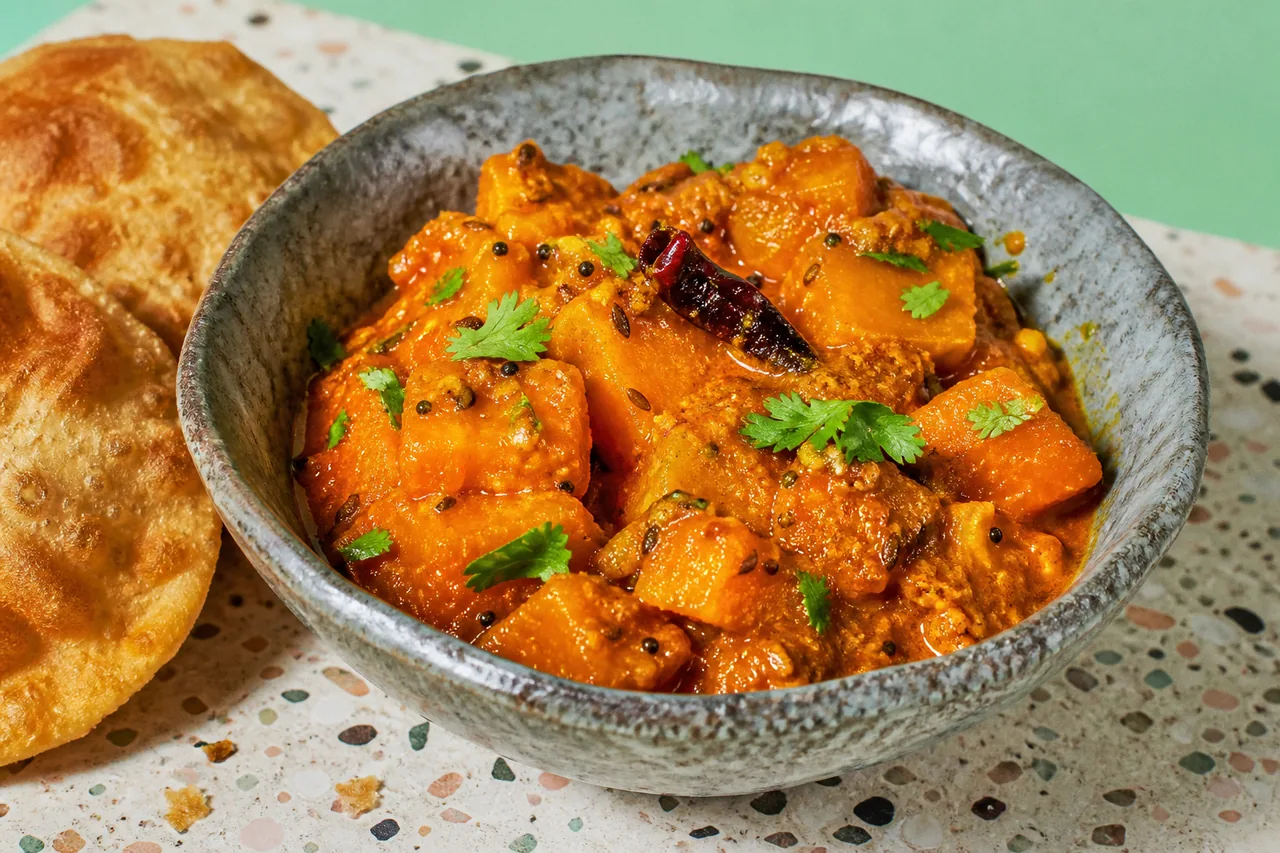 Kaddu (Indian-style pumpkin curry)See the recipe
This year, bake the barmbrack, hide the ring, and watch who gets the slice.
Sources
- UNESCO, Indigenous festivity dedicated to the dead (Mexico), inscribed in 2008. ich.unesco.org
- Government of Mexico, Ministry of Foreign Affairs (SRE), pan de muerto, from pre-Hispanic times to the Viceroyalty. gob.mx
- Associated Press, María Teresa Hernández, October 29, 2024: pan de muerto is baked from early October to mid-November. clickondetroit.com, AP
- UNAM, Nutrition Office, calabaza en tacha sheet (origin of the name). personal.unam.mx
- Tourism Ireland, Halloween traditions, with Clodagh Doyle (National Museum of Ireland): Samhain, carved turnips, the barmbrack ring. ireland.com
- IrishCentral, October 24, 2024: colcannon charms, the ring in shop-bought barmbracks. irishcentral.com
- English Heritage, soul cakes, with historian Michael Carter (the 1511 text, souling in the 20th century). english-heritage.org.uk
- National Geographic, the transatlantic tale of jack-o'-lanterns (Hawthorne 1835, Harper's Weekly 1867, Cindy Ott). nationalgeographic.com
- Japan's Ministry of Agriculture (MAFF), why kabocha is eaten at the winter solstice. maff.go.jp
- Korea JoongAng Daily, September 24, 2026: jeon on the Chuseok ancestral table. koreajoongangdaily.com
- The Armenian Kitchen, ghapama, served from New Year to January 6, and its song. thearmeniankitchen.com