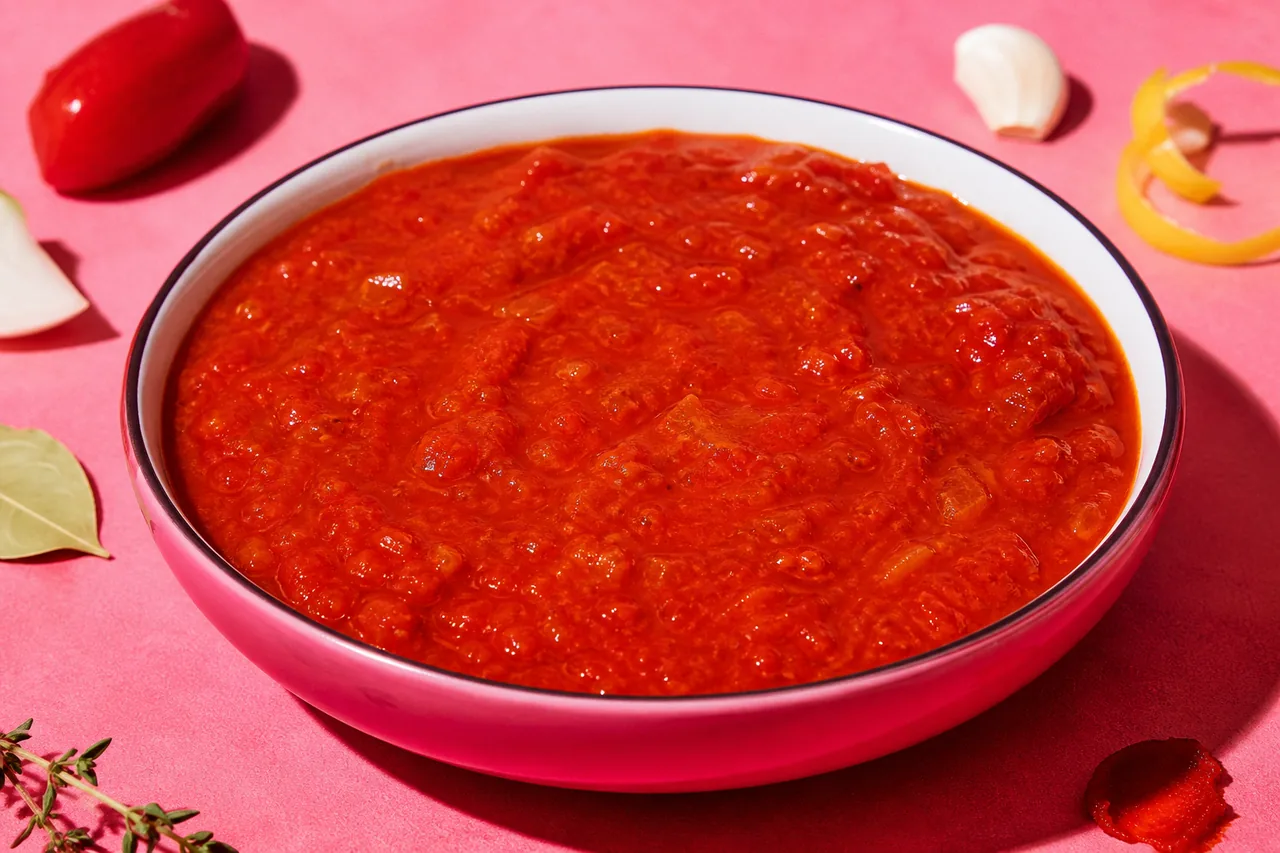
A simple, straightforward French sauce simmered with tomatoes, onion, and lemon, designed for cooking or coating fish, white meat, eggs, or bistro-style vegetables.
Ingredients
- 800 g good-quality whole peeled canned tomatoes
- 1 piece yellow onion
- 2 cloves fresh garlic
- 1 piece unwaxed lemon
- 3 tbsp extra-virgin olive oil
- 1 tbsp tomato paste
- 10 cl dry white wine
- 15 cl water
- 1 leaf dried bay leaf
- 2 sprigs fresh thyme
- 1 tsp granulated sugar
- 1 tsp fine salt
- 2 pinches ground black pepper
Method
- Drain the peeled tomatoes over a bowl, reserving their juice. Crush them by hand or with a fork until you have a coarse pulp, with some flesh and visible fibers remaining.
- Peel the onion and garlic. Finely dice the onion, then chop the garlic without turning it into a purée. Finely grate some lemon zest, then squeeze the lemon and set the juice aside.
- Heat a heavy-based saucepan over low to medium heat. Pour in the olive oil, add the onion and some of the salt, then sweat slowly. Stir often, without browning, until the onion becomes translucent, soft, and faintly sweet-smelling.
- Add the garlic and tomato paste. Cook, stirring, still without scorching, until the paste darkens slightly and begins to catch very lightly on the bottom of the pan. The aroma should shift from raw and metallic to rounded and mellow.
- Deglaze with the white wine. Scrape the bottom with a wooden spoon and reduce until the smell of alcohol disappears and the liquid becomes reduced and glossy.
- Add the crushed tomatoes, reserved juice, water, bay leaf, thyme, sugar, remaining salt, and pepper. Bring to a gentle simmer, then lower the heat to maintain a quiet boil, with small regular bubbles around the edges.
- Simmer uncovered, stirring from time to time. The sauce is ready when it has lost its excess vegetable water, oil just begins to bead on the surface, and the spoon leaves a clean trail on the bottom of the pan before the sauce closes back over.
- Remove the bay leaf and thyme. Add the lemon zest, then gradually pour in the lemon juice, tasting as you go. The sauce should be tomato-forward, lively, and balanced, never sharply acidic like a vinaigrette.
- Blend briefly for a smooth cooking sauce, or deliberately leave some rustic texture for a bistro-style finish. If it will cook fish or poultry, keep it coating but supple; if it is simply for coating, reduce it for a few more minutes.
- Adjust the seasoning off the heat. Let it rest for a few minutes before using: residual heat rounds out the lemon and stabilizes the texture.
Nutrition
Per serving
- Energy
- 190.5 kcal
- Protein
- 2.71 g
- Carbohydrate
- 14.83 g
- Fat
- 11.75 g
- Fibre
- 4.41 g
- Calcium
- 54.58 mg
- Iron
- 1.97 mg
- Magnesium
- 25.85 mg