 Open Umay
Japanese
Traditional Tsuyu Sauce for Soba
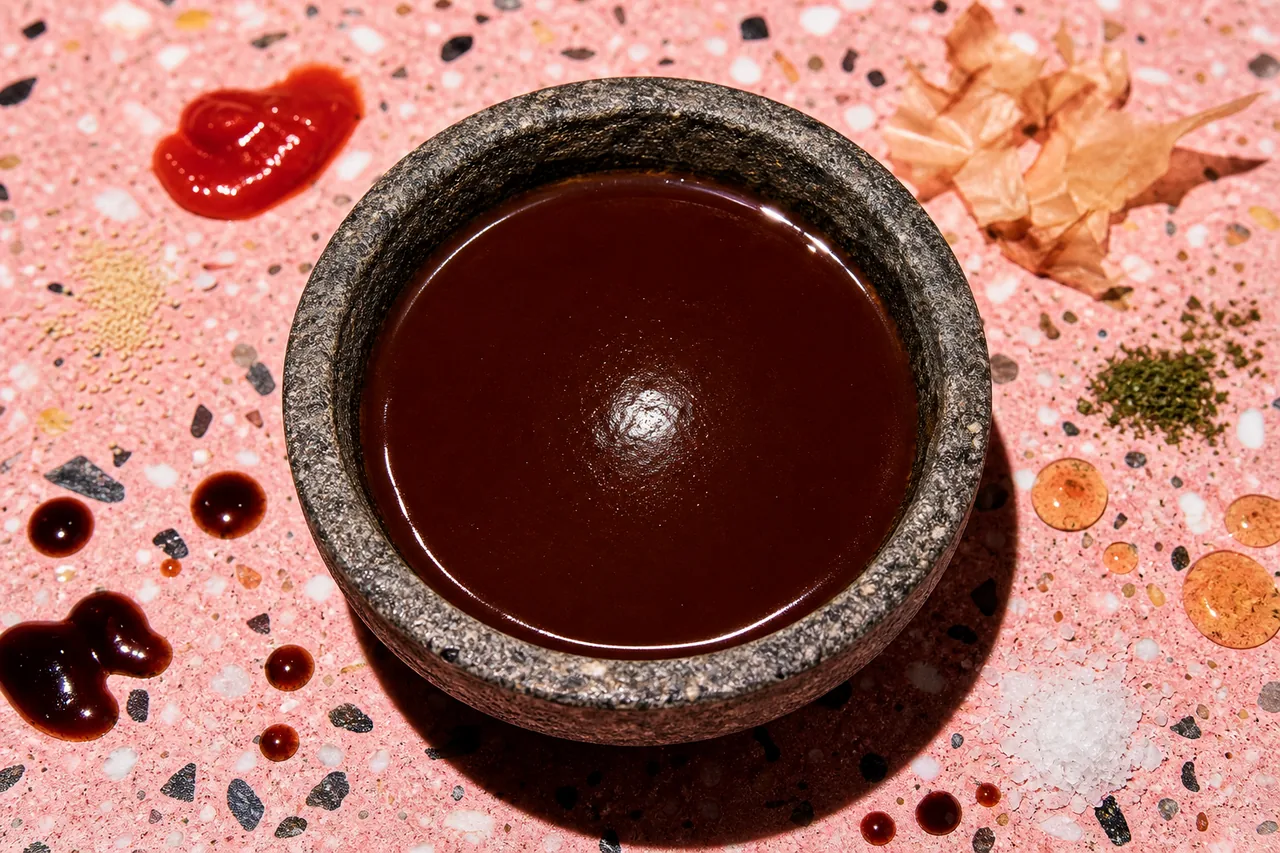
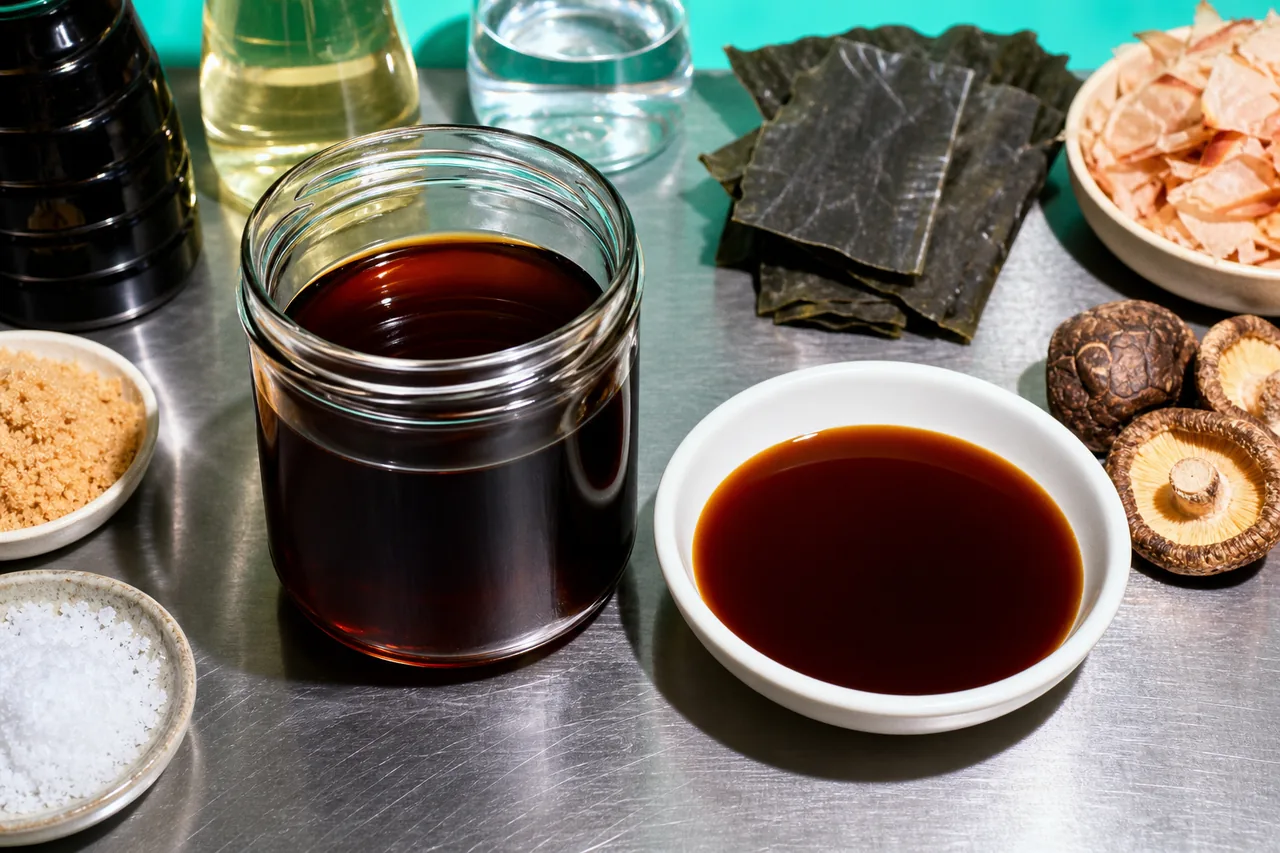
A classic Japanese sauce, dark and clear, made with kombu and dried bonito dashi, then balanced with soy sauce, mirin, and sake.
4 servings
Ingredients
cold water500 ml (16.9 fl oz)base
dried Japanese kombu seaweed10 g (0.4 oz)base
dried bonito flakes katsuobushi20 g (0.7 oz)base
dark Japanese soy sauce160 ml (2/3 cup)base
Japanese mirin120 ml (1/2 cup)pairing
Japanese cooking sake80 ml (1/3 cup)pairing
granulated white sugar12 g (0.4 oz)pantry
Steps
- Gently wipe the kombu with a barely damp cloth without rinsing it completely: the fine white powder on the surface contains a great deal of umami.
- Put the cold water and kombu in a saucepan. If possible, let it infuse off the heat for at least half an hour so the seaweed begins to flavor the water before heating.
- Heat very gently over medium-low heat. Remove the kombu just before boiling, when small bubbles form on the sides and the water trembles without actually boiling. Do not boil the kombu, or the dashi will become thick and bitter.
- Then bring the liquid to a simmer, turn off the heat, add the dried bonito, and let it sink naturally. When the flakes are soaked through and fall to the bottom, the dashi is ready.
- Strain through a fine-mesh sieve lined with a clean cloth or filter. Do not press the bonito hard: let it drain on its own to keep the sauce clear, clean, and free of bitterness.
- In another saucepan, pour in the mirin and sake. Bring to a lively simmer over medium heat, then let it bubble gently until the raw alcohol aroma disappears and the fragrance becomes sweet and rounded.
- Add the soy sauce and sugar. Heat over low heat, stirring until completely dissolved, without reducing aggressively: the surface should simmer lightly, not boil vigorously.
- Pour the strained dashi into the soy-mirin-sake base. Mix, return to a very gentle simmer, then turn off the heat as soon as the sauce is homogeneous and glossy.
- Let cool to room temperature, then refrigerate. The sauce is better after resting, once the salt, sugar, and umami have melded.
- Serve well chilled with cold soba: pour a portion into small individual bowls. For a traditional flavor, dip only the ends of the noodles into the sauce so their buckwheat aroma is not masked.
More recipes like this