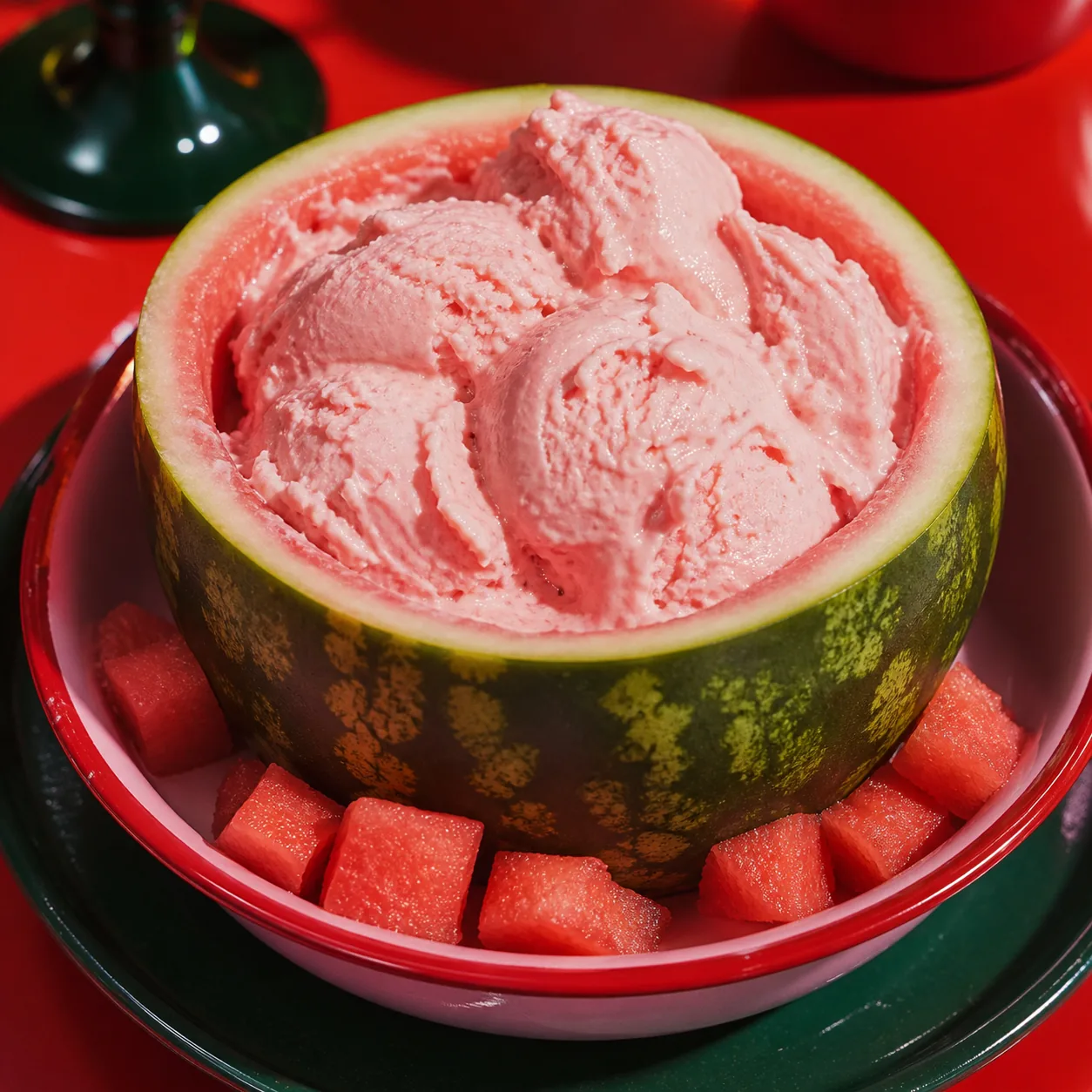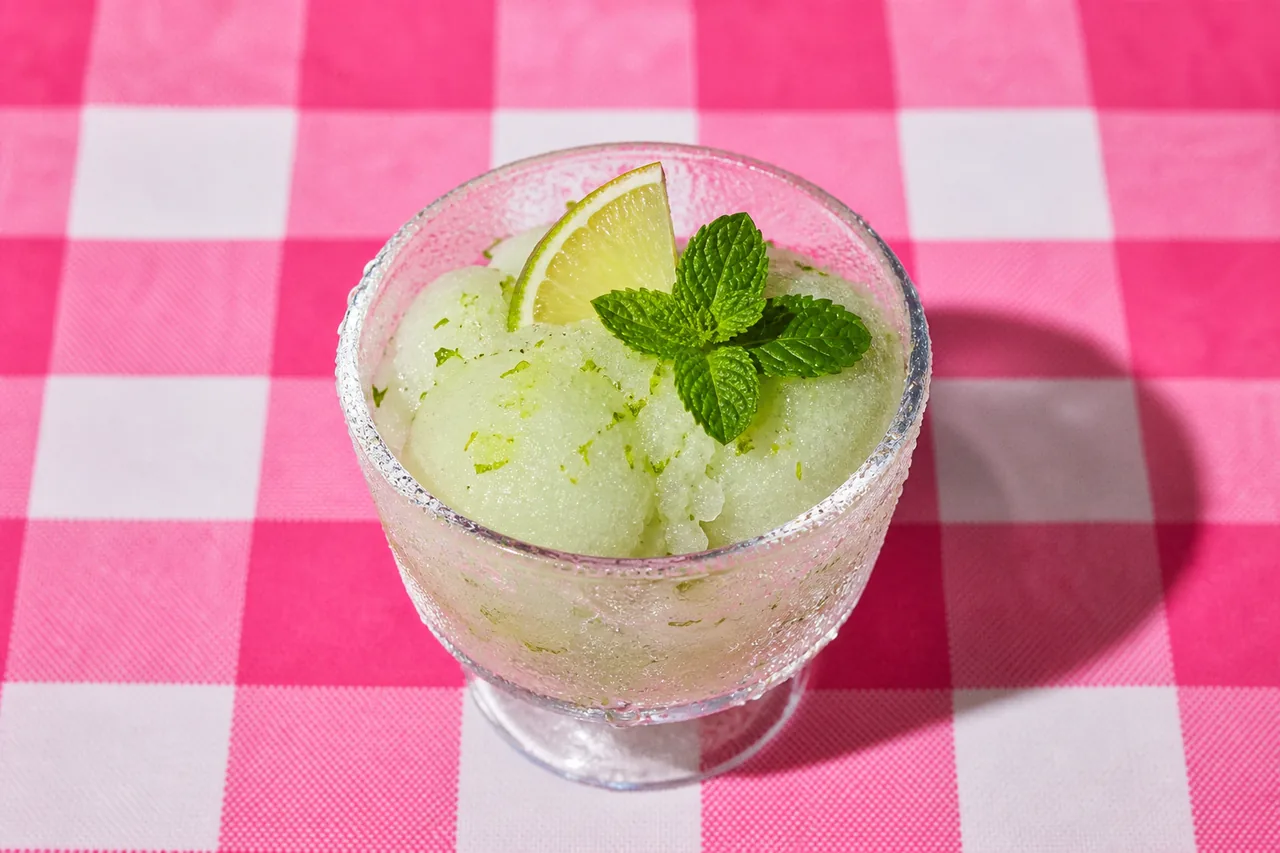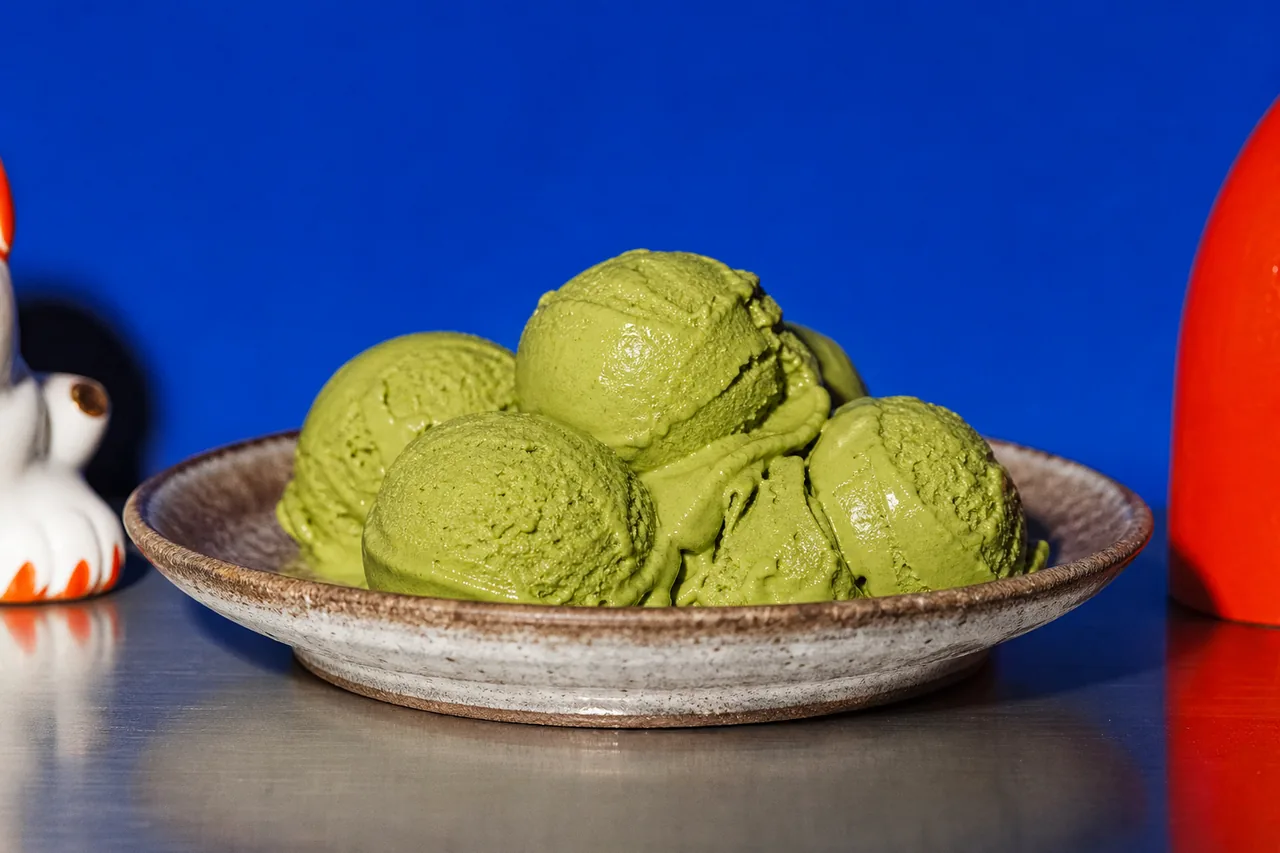
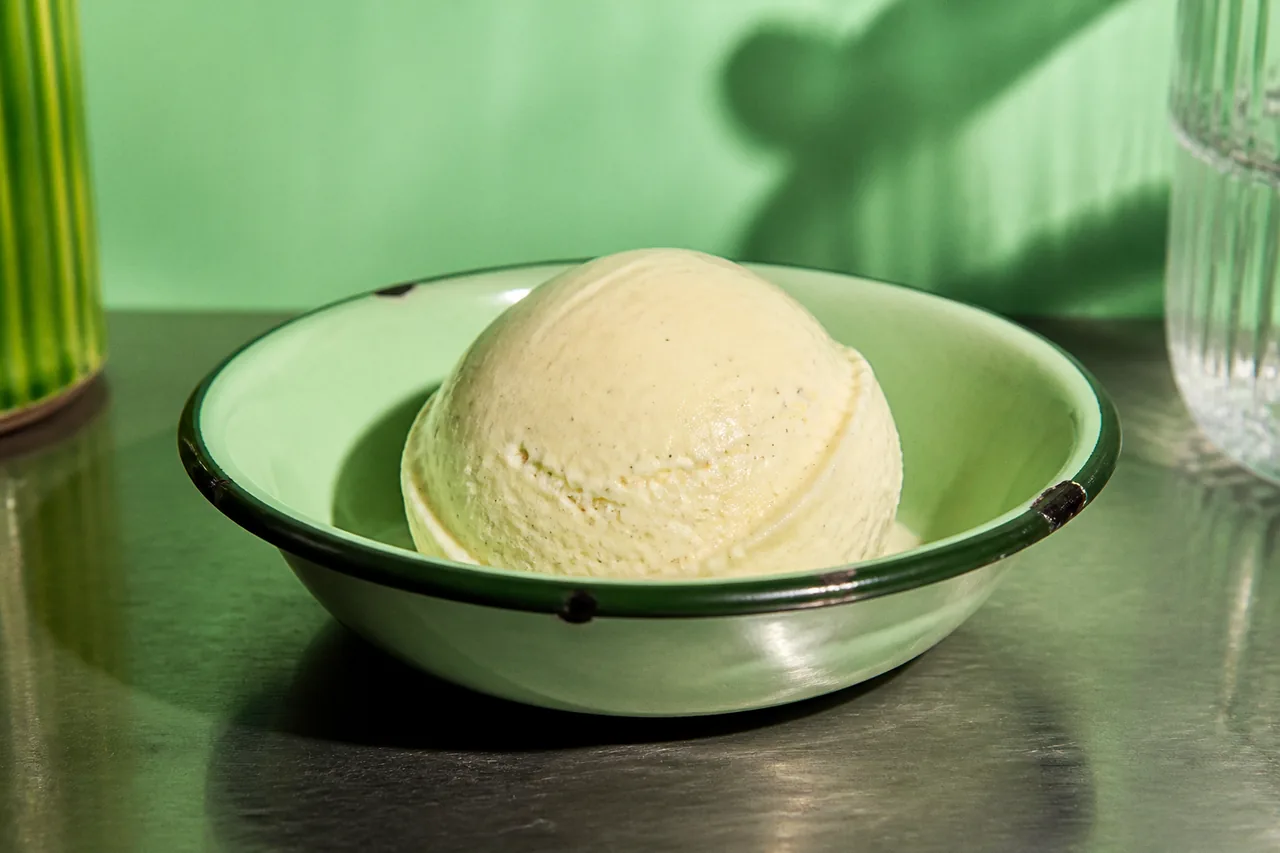
A silky, delicately vegetal ice cream where the green aroma of young fig leaves melts into the richness of heavy cream, almond milk and vanilla.
Ingredients
- 12 leaves fresh, young untreated fig leaves
- 400 ml heavy cream (30% fat)
- 250 ml unsweetened almond milk
- 6 pieces fresh egg yolks
- 120 g granulated sugar
- 1 clove Bourbon vanilla bean
- 2 l drinking water
Method
- Inspect the young fig leaves. They should be fresh, pliable and from an identified, explicitly untreated fig tree. Gently rinse them under cold water, remove the stems and discard any bruised or blemished leaves.
- Bring the water to a rolling boil in a large pot. Submerge the fig leaves for 1 minute until they soften and turn a brighter green. Drain immediately, then shock them in an ice water bath. Gently squeeze them between clean hands to remove excess water without crushing them.
- Split the Bourbon vanilla bean lengthwise and scrape out the seeds. Combine the heavy cream, unsweetened almond milk, vanilla seeds and pod in a saucepan. Heat over medium heat to 170 °F (77 °C). The mixture should steam slightly and form small bubbles around the edges, but do not let it boil.
- Turn off the heat, add the blanched leaves, cover and let steep for 30 minutes. The cream should take on a distinct fig and vanilla aroma without an aggressive vegetal smell.
- Strain the infusion through a fine-mesh sieve. Let the leaves drain without pressing them, then discard the leaves and vanilla pod. Keep only the flavored liquid.
- Whisk the egg yolks and granulated sugar until pale, smooth and slightly thickened. The mixture should fall in a soft ribbon from the whisk without becoming frothy.
- Gently reheat the infused liquid if it has cooled. Gradually pour it into the sugared yolks while whisking constantly, then pour the mixture back into the saucepan. This gradual tempering prevents the yolks from scrambling in spots.
- Cook the base over medium-low heat, stirring constantly with a spatula, especially in the corners, until it reaches 82 to 84 °C. The custard should coat the back of the spatula and hold a clean line when you swipe a finger across it. Stop immediately before it boils, which would curdle the yolks.
- Pour the base into a wide container and cool it quickly in an ice water bath, stirring until completely chilled. Press a sheet of plastic wrap directly against the surface, then refrigerate for at least 4 hours, ideally overnight, to let the fat stabilize and the flavors mellow.
- Pour the thoroughly chilled base into an ice cream maker and churn according to the manufacturer's instructions until it reaches the texture of firm soft serve and holds the ridges of the dasher.
- Immediately transfer the ice cream to a shallow airtight container, cover the surface and freeze at -18 °C for at least 2 hours until firm. Let it sit for a few minutes at room temperature before scooping, and serve without using raw fig leaves as a garnish.
Nutrition
Per serving
- Energy
- 394.7 kcal
- Protein
- 9.06 g
- Carbohydrate
- 23.49 g
- Fat
- 26.98 g
- Fibre
- 2.96 g
- Calcium
- 60.54 mg
- Iron
- 0.12 mg
- Magnesium
- 9.21 mg