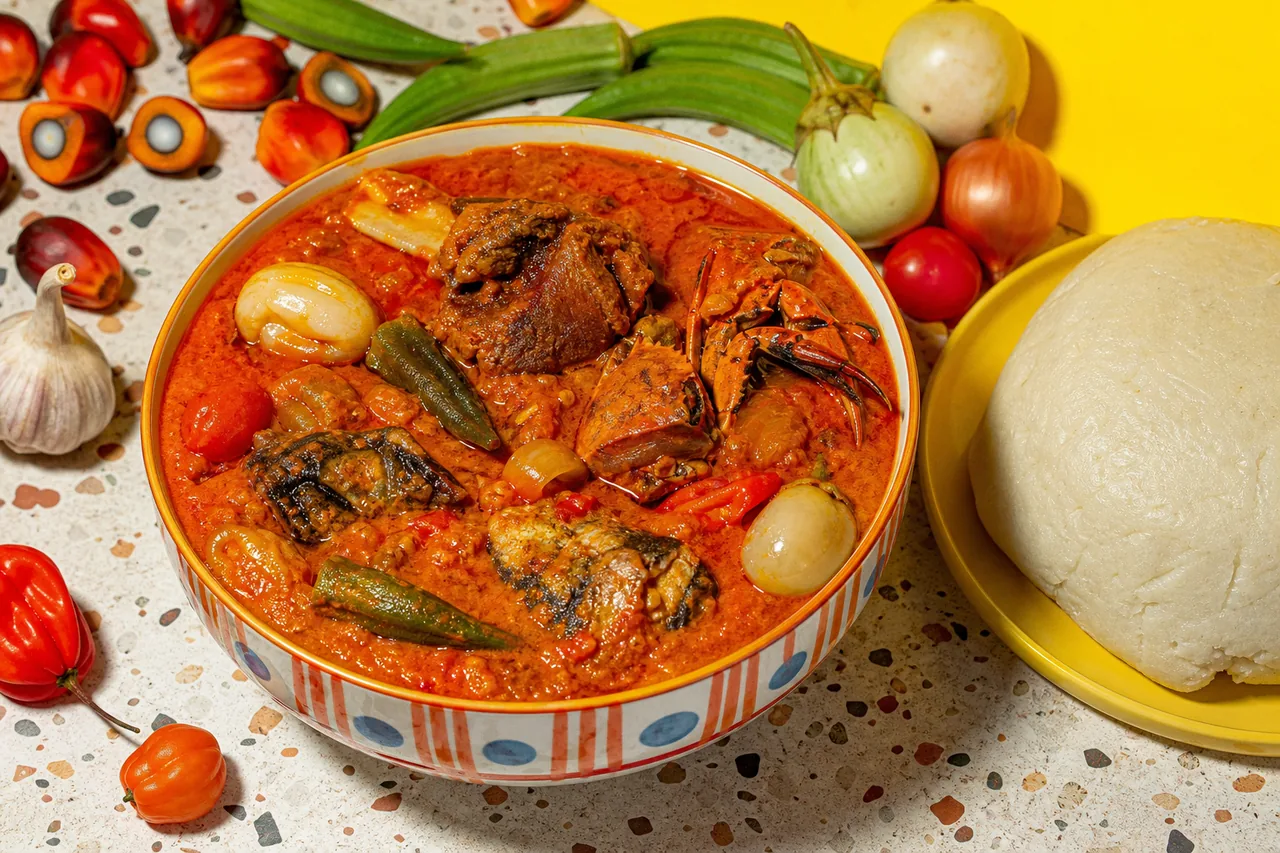
Species sheet · The Edible Ocean
Atlantic blue crab
Brash, and entirely at ease where it has no business being.
- Steamed with Old Bay seasoning
- As a soft shell, fried whole after moulting
- Meat in fritters with rémoulade
- In French
- Crabe bleu
- Scientific name
- Callinectes sapidus
- In the water
- Estuaries and sandy bottoms, native to the western Atlantic, now established across the Mediterranean.
- Season & buying
- Summer and autumn, when it is most abundant.
- Common length
- ~18 cm
- How to identify it
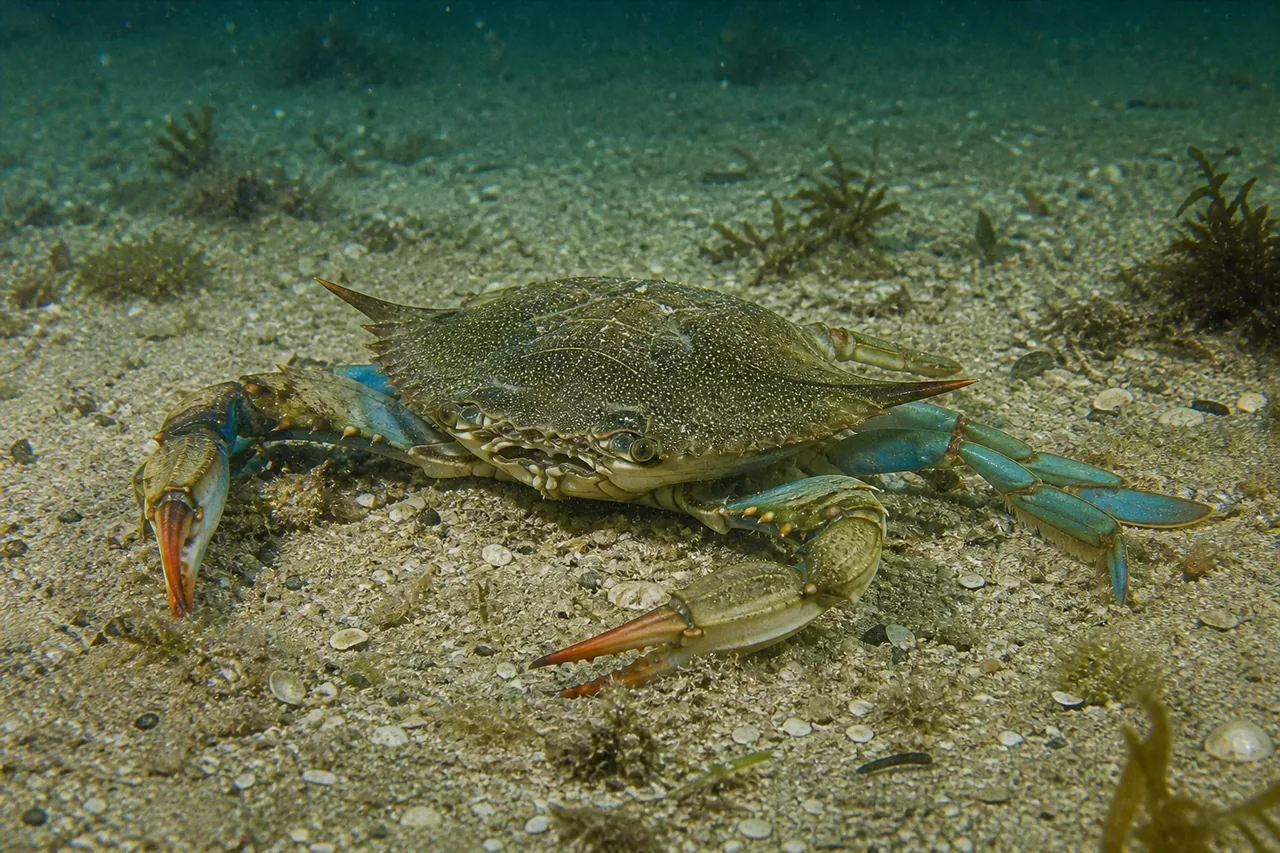
- Carapace far broader than long
One long sharp spine on each side
Rear pair of legs flattened into swimming paddles
On the plate
White, sweet, delicate meat. This is the crab behind American soft shells.
Avoid: Returning it to the water alive. It is invasive, and it is caught to be eaten.
It arrived in ballast water and now wrecks nets and shellfish farms across the Mediterranean. Several regions have organised its fishery and sale, so eating it has become a useful act.
In Umay recipes
One Umay recipe calls for it.